🌅

🇲🇪 Montenegro

Lifestyle

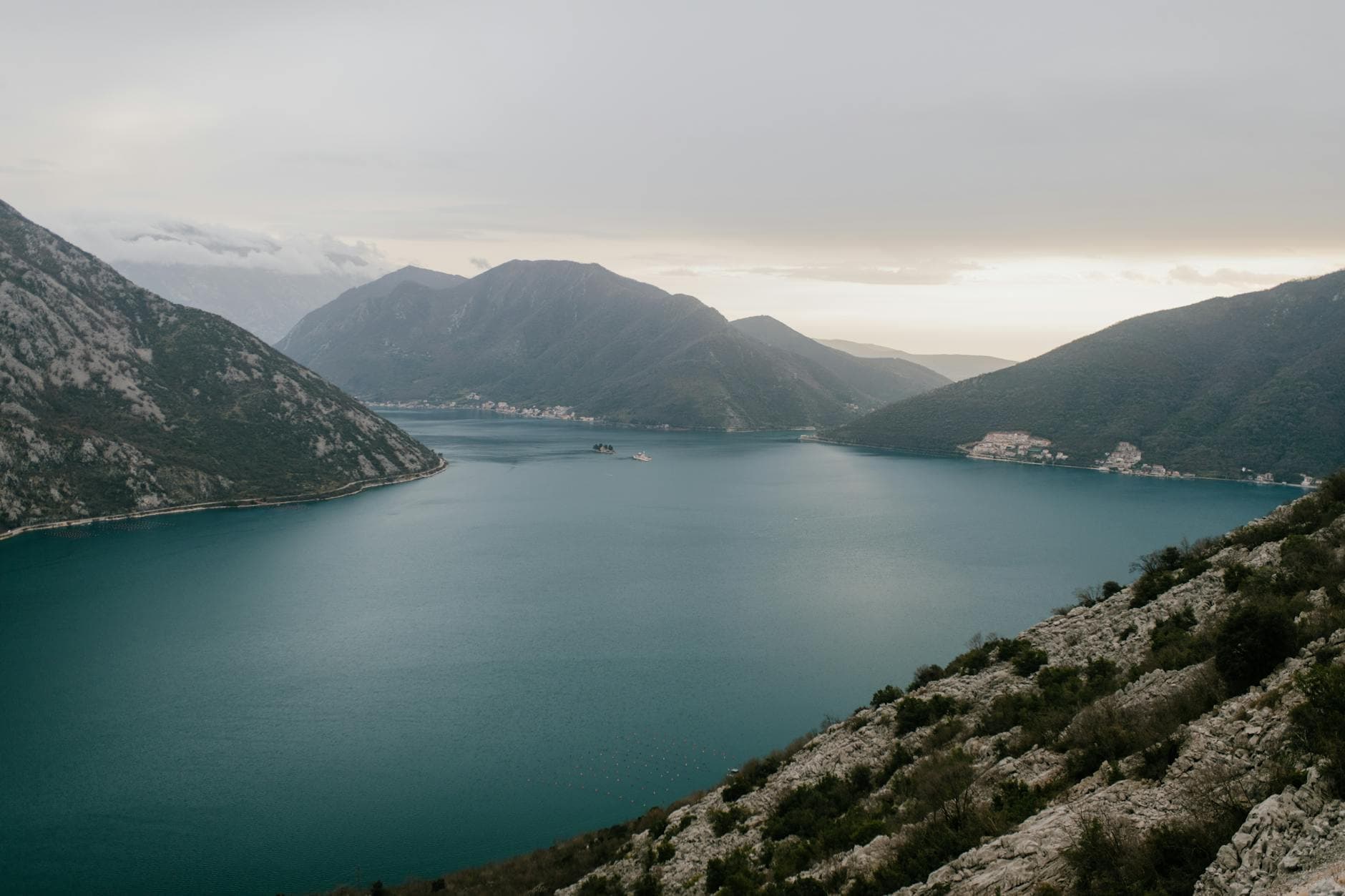
Montenegro delivers a lifestyle that seems almost improbably rich for its price point — medieval towns, Adriatic swimming, ski slopes, Europe's deepest canyon, ancient monasteries, and world-class hiking, all within a country smaller than Connecticut. The climate is exceptional on the coast; harsh in the mountains in winter.

~2,500/yr

Sunshine Hours

Coastal area; mountain areas less

17°C annual avg

Average Temp (Kotor)

Mediterranean coast; mild winters

17°C annual avg

Average Temp (Podgorica)

But 35–40°C Jul–Aug

1

UNESCO Sites

Natural and Culturo-Historical Region of Kotor

74/100

Safety (Numbeo)

High safety index; low crime rates

Overview

Montenegro delivers a lifestyle that seems almost improbably rich for its price point — medieval towns, Adriatic swimming, ski slopes, Europe's deepest canyon, ancient monasteries, and world-class hiking, all within a country smaller than Connecticut. The climate is exceptional on the coast; harsh in the mountains in winter. The pace is slow, the hospitality is genuine, and the expat community — while small — is among the most enthusiastic anywhere.

Key Takeaways

  • Coastal (Kotor, Budva, Herceg Novi): Mediterranean — mild winters (10–14°C), warm summers (27–32°C), ~2,500 sunshine hours/year
  • Hiking: Durmitor National Park (world-class trekking, 48 peaks above 2,000m), Biogradska Gora (primeval forest), Lovćen National Park, Orjen mountain (walking from Kotor walls)
  • Kotor Old Town: Venetian walls, medieval churches, the Cathedral of Saint Tryphon (1166 AD), and thousands of cats (the city's beloved symbol)
1

Climate & Seasons

Montenegro's climate varies dramatically by altitude and geography. The coast is Mediterranean; the capital is continental (extreme summer heat); the mountains are alpine (heavy winter snow). This variety is a feature — you can ski in the morning and swim in the afternoon in spring and autumn.

  • Coastal (Kotor, Budva, Herceg Novi): Mediterranean — mild winters (10–14°C), warm summers (27–32°C), ~2,500 sunshine hours/year
  • Podgorica: continental — mild winters (5–10°C), brutal summers (35–40°C July–August), 4–5 months of bearable temperatures
  • Durmitor/mountains: alpine — heavy snow November–April, cool summers (18–22°C), spectacular for skiing and hiking
  • Bora wind: fierce north-easterly in winter — beautiful clear days but dangerous on exposed roads; coastal towns brace
  • Best months: May–June and September–October — coast comfortable, mountains open, no tourist crowds
  • Swimming season: May–October on the coast; water temperature peaks at 24–26°C in August
2

Outdoor Life, Sport & Adventure

Montenegro is an outdoor paradise compressed into a tiny area. The diversity is extraordinary — Adriatic water sports in the morning, Durmitor mountain trekking in the afternoon. Active expats find Montenegro genuinely transformative.

  • Hiking: Durmitor National Park (world-class trekking, 48 peaks above 2,000m), Biogradska Gora (primeval forest), Lovćen National Park, Orjen mountain (walking from Kotor walls)
  • Skiing: Kolašin 1450 and Kolašin 1600 resorts — newly renovated, Austrian-managed; Žabljak/Savin Kuk — more rustic; season December–March
  • Water sports: Adriatic kayaking, stand-up paddleboarding, sailing in the Bay of Kotor; surfing and kitesurfing at Ulcinj (Ada Bojana delta)
  • Tara River rafting: Europe's deepest canyon (1,300m); April–October; world-class whitewater
  • Lake Skadar: kayaking, birdwatching (400+ species including Dalmatian pelicans), cycling around the shore
  • Cycling: dedicated routes along the coast and inland; road cycling on uncrowded mountain passes is world-class
  • Sailing: Montenegro has ~20 marinas; Porto Montenegro (Tivat) is a superyacht hub; day charters from €100–€300
3

Culture, History & Expat Social Life

Montenegro packs extraordinary cultural heritage into a tiny area — Venetian fortresses, Ottoman mosques, Byzantine monasteries, and medieval walled cities coexist within hours of each other. The expat social scene is small but vibrant and growing.

  • Kotor Old Town: Venetian walls, medieval churches, the Cathedral of Saint Tryphon (1166 AD), and thousands of cats (the city's beloved symbol)
  • Ostrog Monastery: built into a near-vertical cliff face 900m above sea level — one of the most visited Orthodox pilgrimage sites in the Balkans
  • Cetinje: Montenegro's former royal capital — compact, beautifully preserved, host to excellent national museums
  • Porto Montenegro (Tivat): world-class superyacht marina; international luxury brands, restaurants, and the Naval Heritage Collection
  • Festivals: Sea Dance Festival (Budva, July) — major international electronic music event; Lake Fest; Kotor Art Festival; Montenegro Film Festival
  • Expat community: Montenegro Digital Nomads (Facebook, 5,000+ members), Expats in Montenegro, Kotor Expats & Locals — active, welcoming, practical
FAQs

Common Questions — Lifestyle in Montenegro

Find Your Perfect City with AI

Describe your lifestyle and our AI matches you to the best expat cities — then simulates a full day there.

Take the Free Quiz

Expat Insights, Weekly

Visa updates, cost-of-living data, and expat stories from Montenegro in your inbox.

More Montenegro Guides

🇲🇪

Ready to explore Montenegro?

Browse our city guides to find the perfect base for your expat life in Montenegro.