🌆

🇱🇧 Lebanon

Daily Life

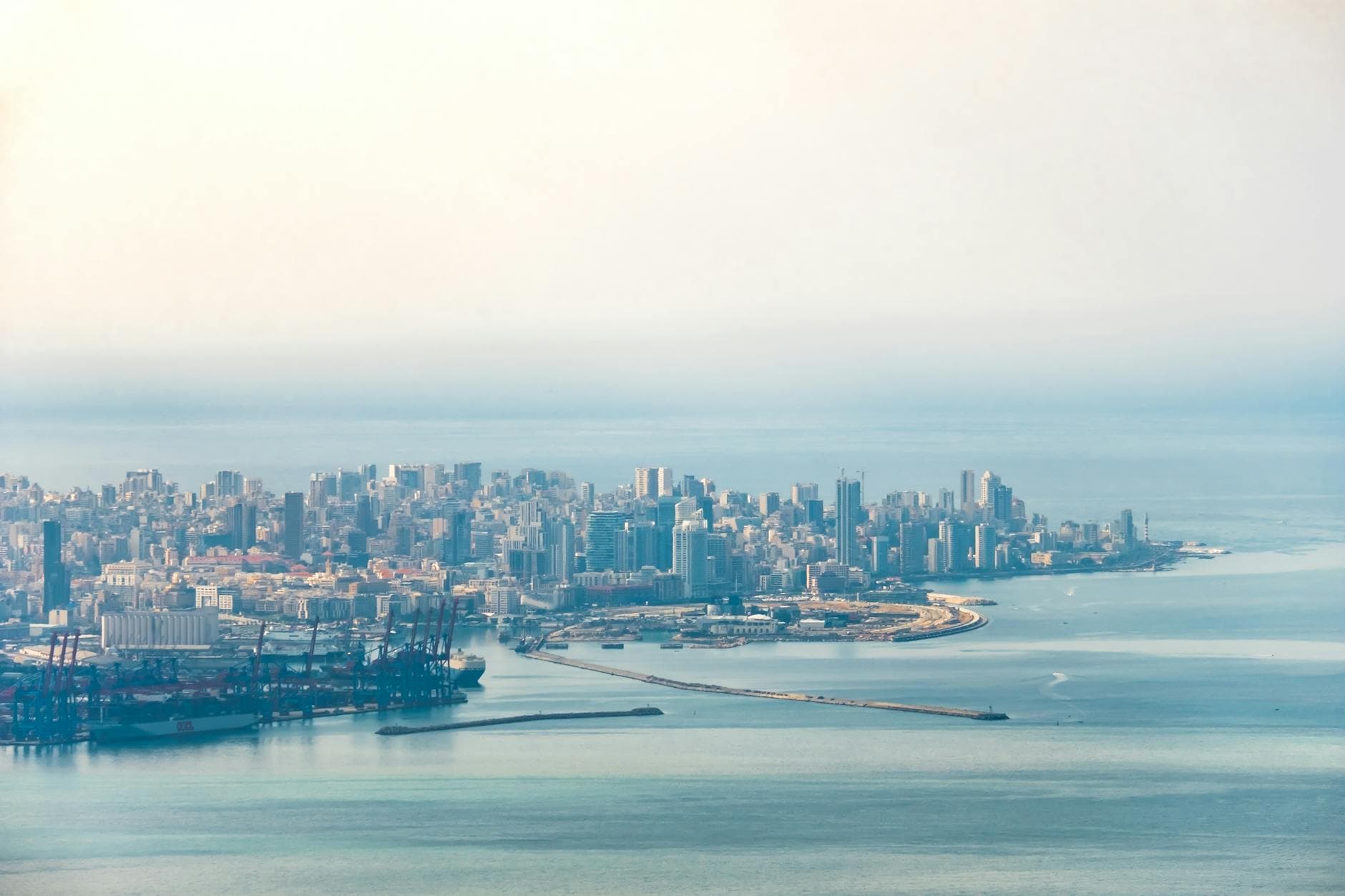
Daily life in Lebanon is an exercise in creative resilience. Power outages, traffic jams, and bureaucratic frustrations are offset by extraordinary food, warm social culture, stunning natural beauty, and a nightlife scene that keeps you out until dawn.

~13 Mbps

Internet Speed

Fixed broadband median

#78

Safety Index

Numbeo 2025

3 spoken

Languages

Arabic, French, English

4–12 hrs/day

Power Supply

EDL grid; generators fill gaps

Overview

Daily life in Lebanon is an exercise in creative resilience. Power outages, traffic jams, and bureaucratic frustrations are offset by extraordinary food, warm social culture, stunning natural beauty, and a nightlife scene that keeps you out until dawn. Expats who embrace the chaos tend to fall deeply in love with Lebanon.

Key Takeaways

  • Fixed broadband (Ogero DSL/VDSL): median ~13 Mbps download; plans from $15–$40/month
  • Service taxis: shared taxis that follow fixed routes — $1–$2 per ride; just stand at the roadside and flag one down
  • English: widely spoken in Beirut, Jounieh, and Byblos — especially by younger generations and in business settings
  • Numbeo Safety Index 2025: ranked #78 — moderate safety rating
  • Supermarkets: Spinneys, Carrefour, Le Charcutier — well-stocked with local and imported goods
1

Internet & Connectivity

Lebanon's internet infrastructure is the most common frustration for expats and remote workers. Fixed broadband speeds average just 13 Mbps — among the slowest in the Middle East. Fiber optic is rolling out but remains limited to parts of Beirut. Mobile data via 4G is often more reliable than fixed connections, and Starlink has emerged as a game-changer for some users.

  • Fixed broadband (Ogero DSL/VDSL): median ~13 Mbps download; plans from $15–$40/month
  • Fiber optic (select areas): IDM, Cyberia, and others offer 50–100 Mbps in parts of Beirut; $40–$80/month
  • Mobile data: Alfa (~42 Mbps avg.) and Touch — 4G coverage in urban areas; useful as primary or backup
  • Prepaid SIM: available at airport and shops; data plans from $10/month for 5–10 GB
  • Starlink: available in Lebanon as of 2024; approximately $50/month after equipment — best option for reliable high-speed
  • Coworking WiFi: generally faster and more reliable than residential connections — 30–50 Mbps typical
  • Power cuts affect internet: ensure your router and ONT are on UPS battery backup during outages
2

Getting Around Lebanon

Lebanon has no public rail system, no metro, and a limited bus network. Getting around relies primarily on private cars, taxis, and ride-hailing apps. Traffic in Beirut is chaotic and often gridlocked. For trips outside the city, renting a car or hiring a driver is standard practice.

  • Service taxis: shared taxis that follow fixed routes — $1–$2 per ride; just stand at the roadside and flag one down
  • Uber/Bolt: available in Beirut and surrounding areas; affordable ($3–$8 cross-city); pay in USD cash
  • Private taxis: negotiate fare before getting in — no meters; typical Beirut ride $5–$10
  • Car rental: $25–$50/day; essential for exploring outside Beirut (Byblos, Baalbek, Cedars)
  • No metro/rail: Beirut's biggest infrastructure gap — a light rail has been proposed but never built
  • Bus system: OCFTC and private operators run limited routes — cheap ($0.50–$1) but unpredictable schedules
  • Driving culture: aggressive driving, creative parking, and minimal enforcement — not for the faint-hearted
3

Language — Lebanon's Trilingual Advantage

Lebanon is one of the most linguistically accessible countries in the Middle East. Most educated Lebanese speak Arabic, French, and English — often switching between all three in a single conversation (a phenomenon known as 'code-switching'). English-speaking expats can navigate daily life comfortably without Arabic, though learning some Lebanese Arabic significantly enriches the experience.

  • English: widely spoken in Beirut, Jounieh, and Byblos — especially by younger generations and in business settings
  • French: strong historical presence; many older Lebanese prefer French; government documents often in Arabic and French
  • Arabic (Lebanese dialect): differs significantly from formal Arabic — fun to learn and deeply appreciated by locals
  • Code-switching: a typical Lebanese sentence may contain Arabic, French, and English words — it's part of the culture
  • Language schools: Lebanese American University, Saifi Institute, and private tutors offer Arabic courses
  • Private tutoring: $15–$30/hour for Lebanese Arabic; many native speakers teach informally
  • Business language: English is standard in tech, NGOs, and international business; French in law and older institutions
4

Safety in Lebanon

Lebanon's safety situation is complex. Day-to-day safety in Beirut, Jounieh, and the Mount Lebanon area is generally good — violent crime against foreigners is rare. However, political instability, regional tensions, and occasional security incidents require awareness. Most expats feel safe in their daily lives while staying informed about the broader situation.

  • Numbeo Safety Index 2025: ranked #78 — moderate safety rating
  • Day-to-day crime: low risk of violent crime against expats; petty theft is the main concern in crowded areas
  • Political demonstrations: occur periodically, mainly in central Beirut — avoid protest areas and follow local news
  • Southern Lebanon: border area with Israel is higher risk — avoid this region unless essential
  • Tripoli and northern areas: generally safe but check current conditions before visiting
  • Embassy registration: register with your embassy for security alerts and evacuation planning
  • Community awareness: join expat WhatsApp and Facebook groups for real-time safety updates and advice
5

Shopping & Daily Essentials

Lebanon offers a mix of modern supermarkets, traditional souks, and neighborhood shops. Imported goods are priced in dollars and can be expensive, while local produce and Lebanese-made products are remarkably affordable. The culture of small neighborhood shops (dekkanehs) adds charm to daily life.

  • Supermarkets: Spinneys, Carrefour, Le Charcutier — well-stocked with local and imported goods
  • Local shops (dekkanehs): small neighborhood grocery stores — convenient and often cheaper for basics
  • Fresh produce: fruit and vegetable vendors throughout the city; seasonal produce is excellent and cheap
  • Souk el Tayeb: Beirut's famous farmers' market — organic produce, artisan goods, and street food (Saturdays)
  • Bakeries: fresh Lebanese bread (manouche, khobez) from $0.50–$1 — a daily ritual
  • Imported goods: wine, cheese, and international brands available but priced in dollars
  • Payment: most shops accept USD cash; some larger stores accept credit cards
FAQs

Common Questions — Daily Life in Lebanon

Find Your Perfect City with AI

Describe your lifestyle and our AI matches you to the best expat cities — then simulates a full day there.

Take the Free Quiz

Expat Insights, Weekly

Visa updates, cost-of-living data, and expat stories from Lebanon in your inbox.

More Lebanon Guides

🇱🇧

Ready to explore Lebanon?

Browse our city guides to find the perfect base for your expat life in Lebanon.