Western Europe
Central & Eastern Europe
Asia & Middle East
Americas
Oceania & Africa
Expat Topics
⛩️ Living in Japan · 2026
Kyoto.
Japan's ancient capital - 1,600 temples, UNESCO heritage, and a graceful slower pace
Best For
Culture lovers, academics, teachers, artists, families
Monthly Budget
¥200,000–¥290,000 ($1,330–$1,930)
Population
1.46 million
Verified August 13, 2026
Can you actually move to Kyoto?
We research your nationality, income and timeline against the law as it stands, and tell you whether Kyoto works and what it takes.
The Kyoto you’ll actually live in
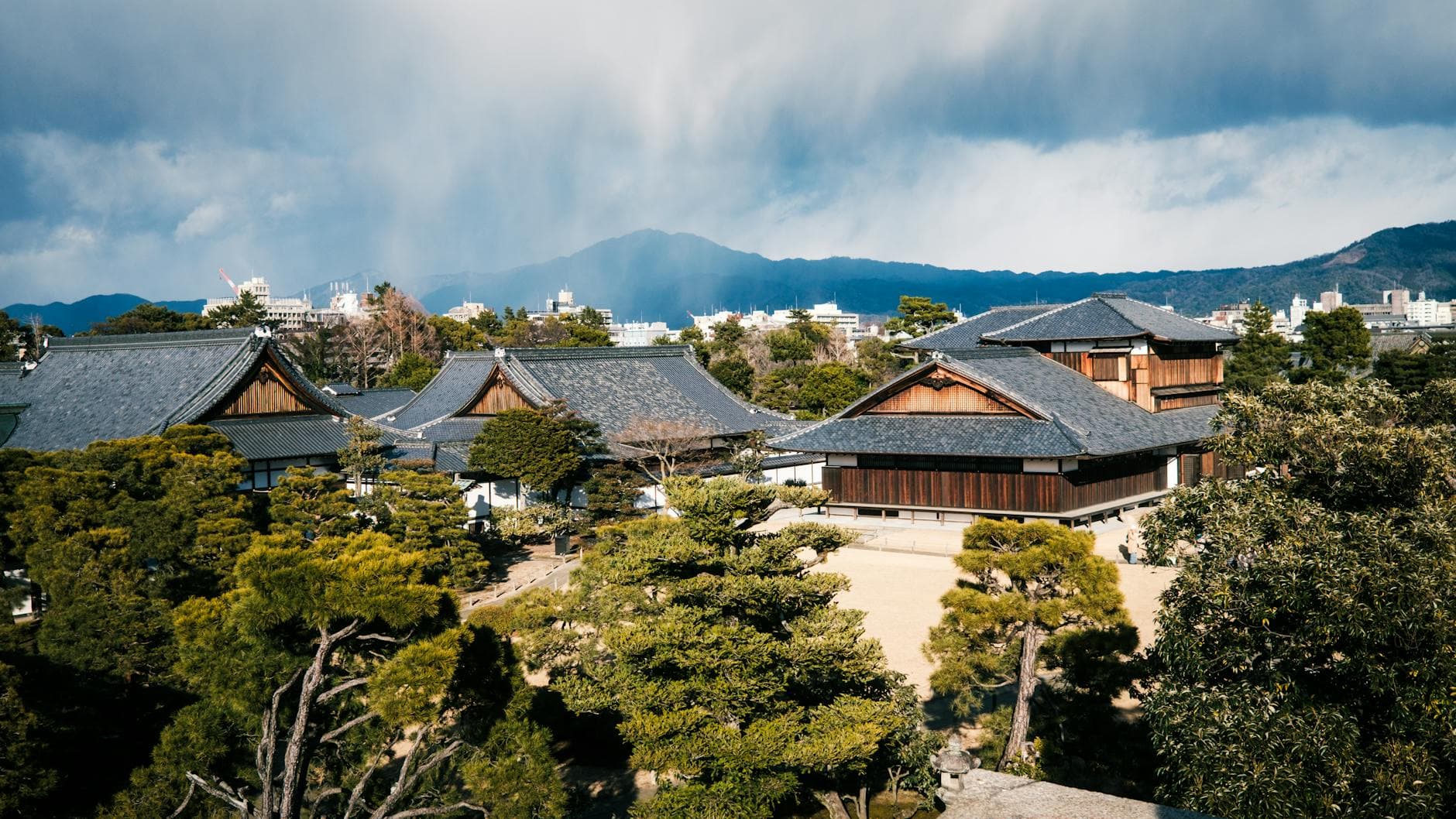
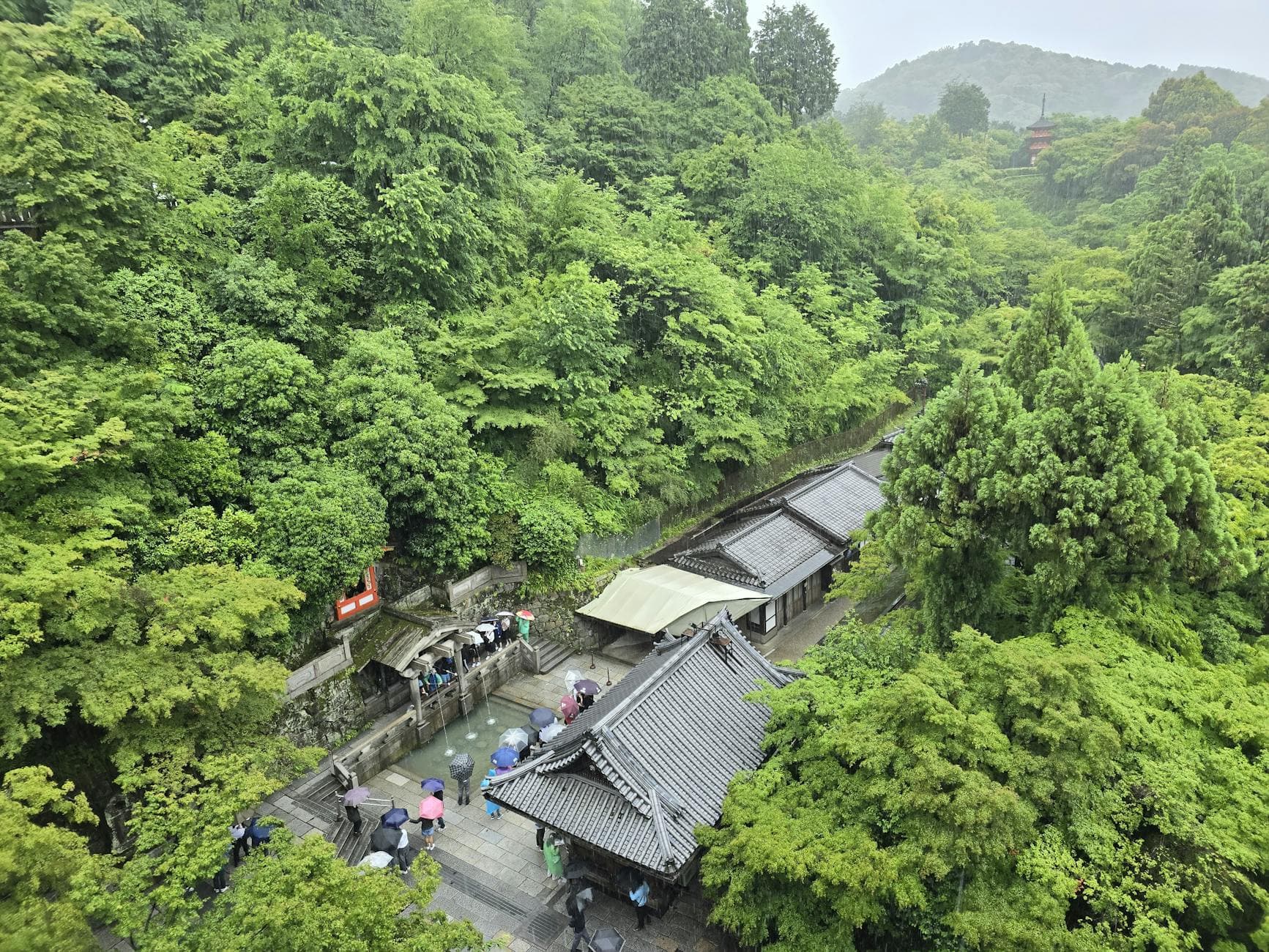
Kyoto was Japan's imperial capital for over 1,000 years and remains its cultural soul. With 17 UNESCO World Heritage sites, Gion's geisha district, bamboo groves, and a food scene defined by the exquisite kaiseki multi-course tradition, Kyoto offers a quality of life that is simply unavailable anywhere else on Earth. It is smaller and quieter than Tokyo or Osaka - which is precisely the point. Expats in Kyoto tend to be those who have already explored Japan and decided to stay in the city that moved them most. Universities and the traditional craft and tourism industries create a steady expat community.
The Kyoto basics
The full picture - 7 key numbers covering budget, internet, English level, beach access, and airport reach.
Best For
Culture lovers, academics, teachers, artists, families
Monthly Budget
¥200,000–¥290,000 ($1,330–$1,930)
1-BR Center Rent
¥70,000–¥120,000/mo ($467–$800)
Internet Speed
~280 Mbps (fiber widespread)
English Level
Low; student areas have more English speakers
To Osaka
15 min by express train
Airport
KIX (Kansai Intl) - 75 min via Haruka Express
Is Kyoto actually your best option?
This page tells you what Kyoto is like. It cannot tell you whether it beats the four other countries you should be looking at, because that answer changes with your passport. Income thresholds, tax treaties and citizenship timelines are all nationality specific, and the general rule is often not the rule that applies to you.
A Personal Relocation Assessment answers it for your case. You tell us your nationality, income, household and timeline, and we our expert researches it against the law as it stands: which countries you actually qualify for, the route, the current threshold with the instrument it comes from, and what is most likely to go wrong in a position like yours.

Food culture
Kaiseki, matcha, tofu, obanzai - Gion's traditional Kyoto cuisine
Explore

Green spaces
Fushimi Inari's 10,000 torii gates + Arashiyama Bamboo Grove
Explore
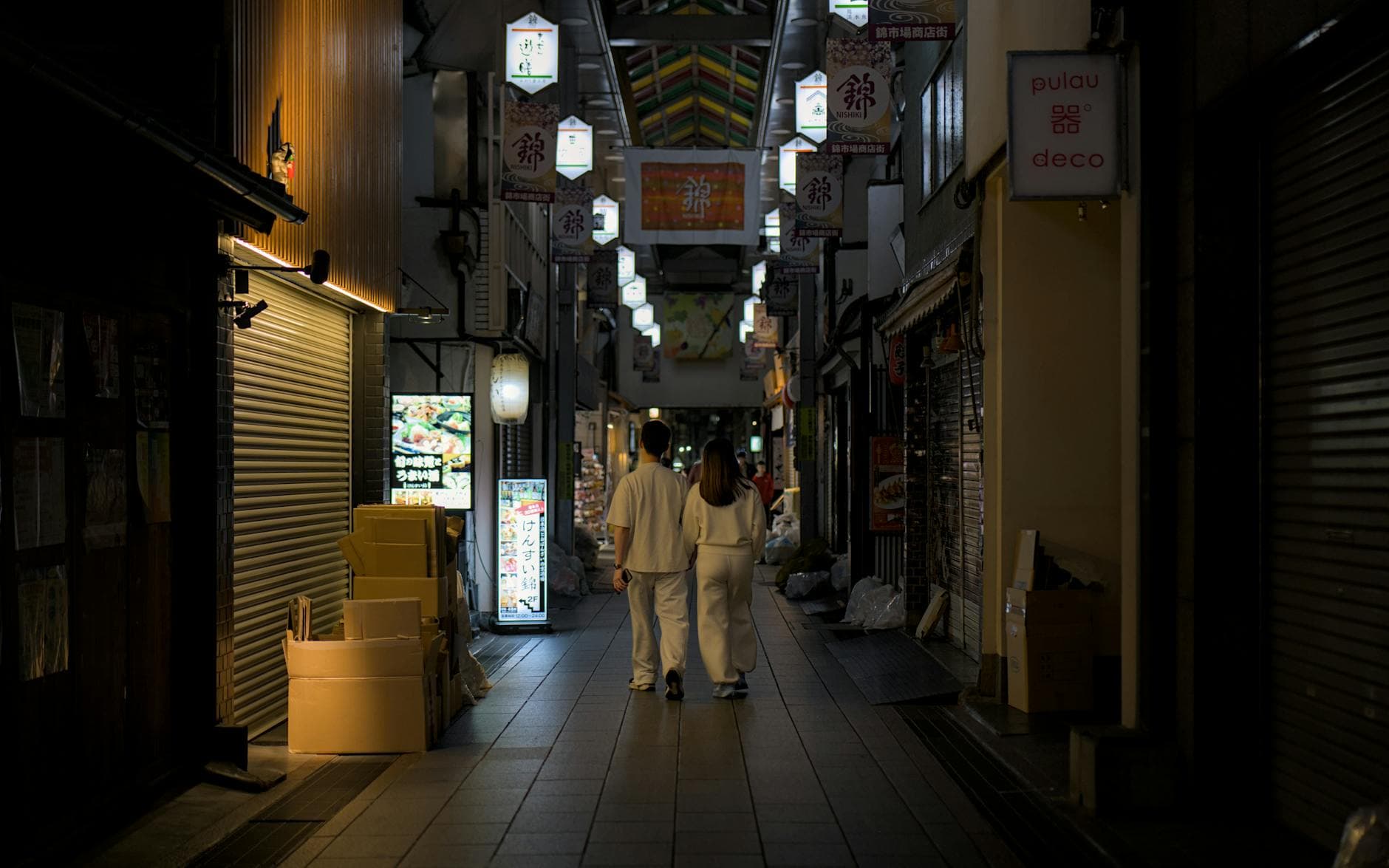
Markets
Nishiki Market - Kyoto's 400-year-old covered food market
Explore
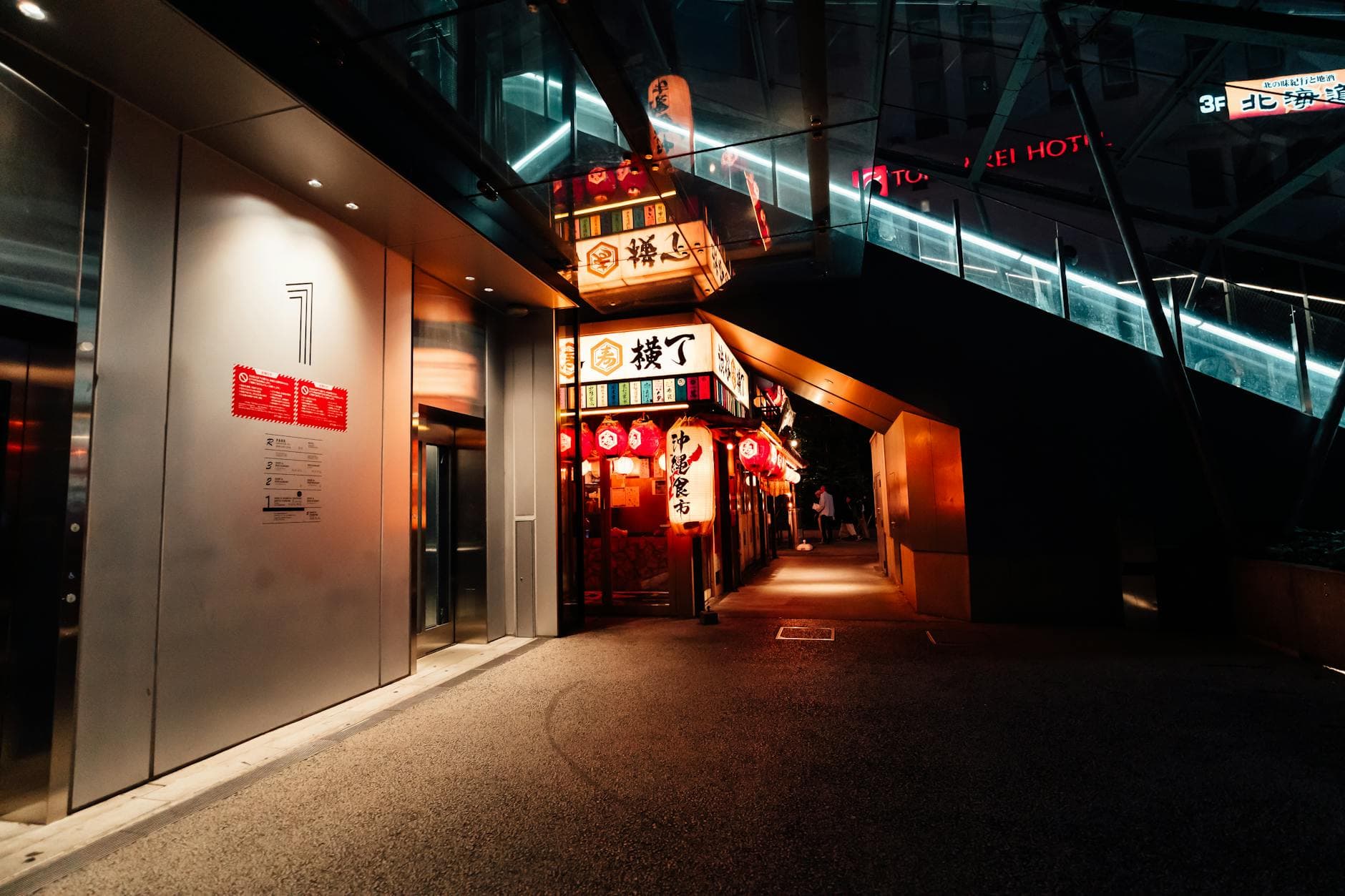
Nightlife
Pontocho alley + Kamo River terrace dining - Kyoto's lantern-lit evening scene
Explore
What a month actually costs
No padding, no underestimates. Real expat numbers - central neighborhood, comfortable lifestyle, eating out a few times a week.
All-in monthly
¥200,000–¥290,000 ($1,330–$1,930)
Single expat, comfortable lifestyle, central area.
Rent (1-BR, city center)
¥70,000–¥120,000 ($467–$800)
Full breakdown
Rent (1-BR, city center)
¥70,000–¥120,000 ($467–$800)
Rent (1-BR, outer areas)
¥50,000–¥70,000 ($333–$467)
Groceries
¥25,000–¥38,000 ($167–$253)
Transport (monthly pass / IC card)
¥7,000–¥12,000 ($47–$80)
Utilities (electricity, gas, water)
¥12,000–¥20,000 ($80–$133)
Internet (fiber)
¥4,000–¥6,000 ($27–$40)
National Health Insurance
¥10,000–¥22,000 ($67–$147)
Dining out (2–3×/week)
¥15,000–¥25,000 ($100–$167)
Entertainment & misc.
¥10,000–¥20,000 ($67–$133)
Total (comfortable, central)
¥200,000–¥290,000 ($1,330–$1,930)
Where to actually live
5 neighborhoods, 5 different versions of Kyoto.

Gion
Kyoto's most iconic district - machiya townhouses, stone-paved Hanamikoji Street, ochaya teahouses, and occasional geiko sightings at dusk.
Best for: Expats who want to live inside Kyoto's most beautiful historic atmosphere; accepts a tourist premium in peak seasons.
Rent ¥90,000–150,000/month ($580–$970) for a 1K/1LDK or renovated machiya
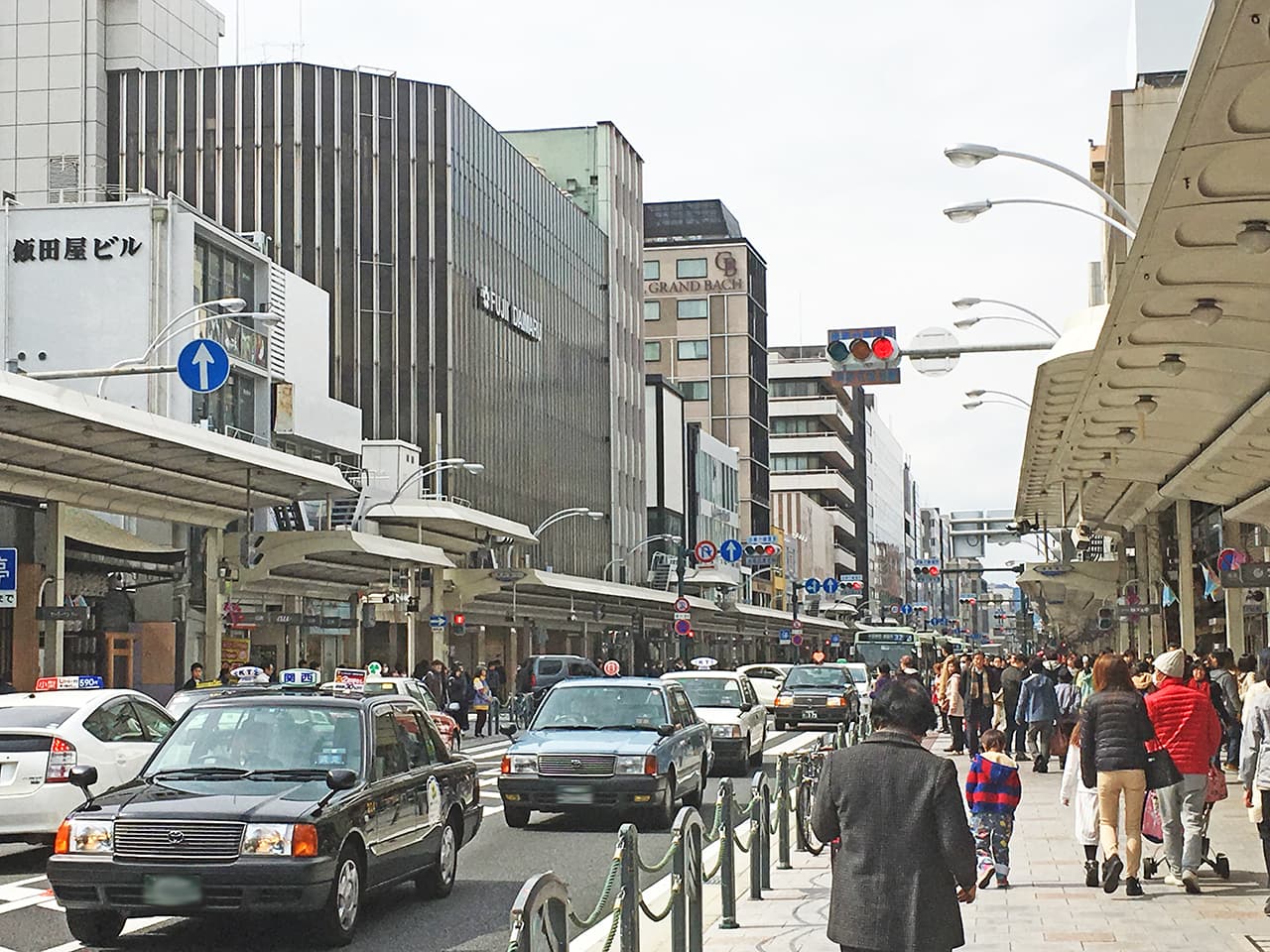
Downtown / Shijo-Kawaramachi
Kyoto's commercial and social hub. Nishiki Market food alley, department stores, bars, restaurants, and good metro access.
Best for: Expats who want central access to everything - restaurants, shopping, culture - within walking distance.
Rent ¥80,000–140,000/month ($515–$900) for a 1K/1LDK
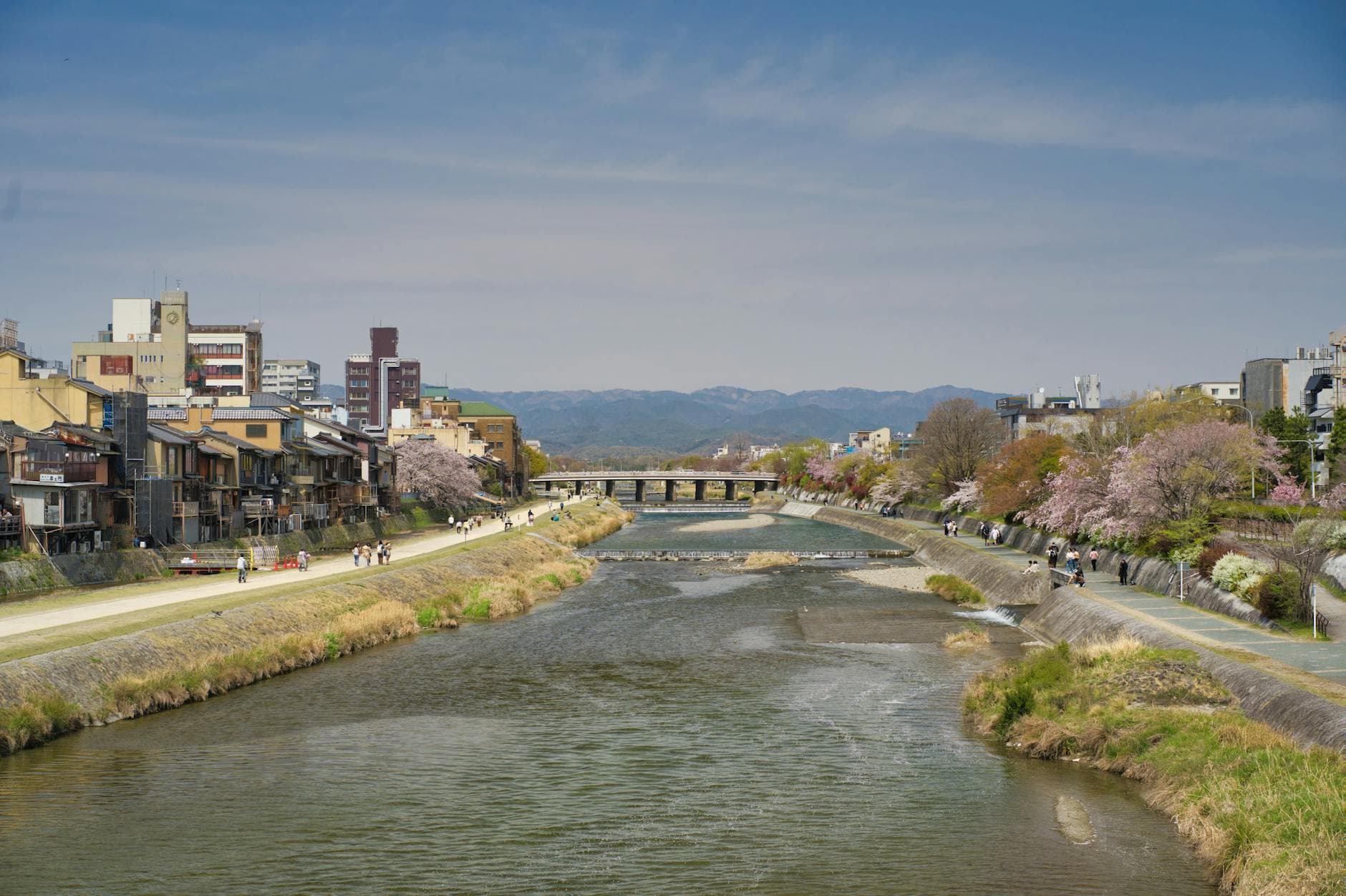
Kawaramachi
Young and social - university students, izakayas, independent cafés, and a lively after-dark scene along the Kamo River.
Best for: Younger expats, English teachers, and students who want an affordable central base with social energy.
Rent ¥60,000–100,000/month ($390–$645) for a 1K/1LDK
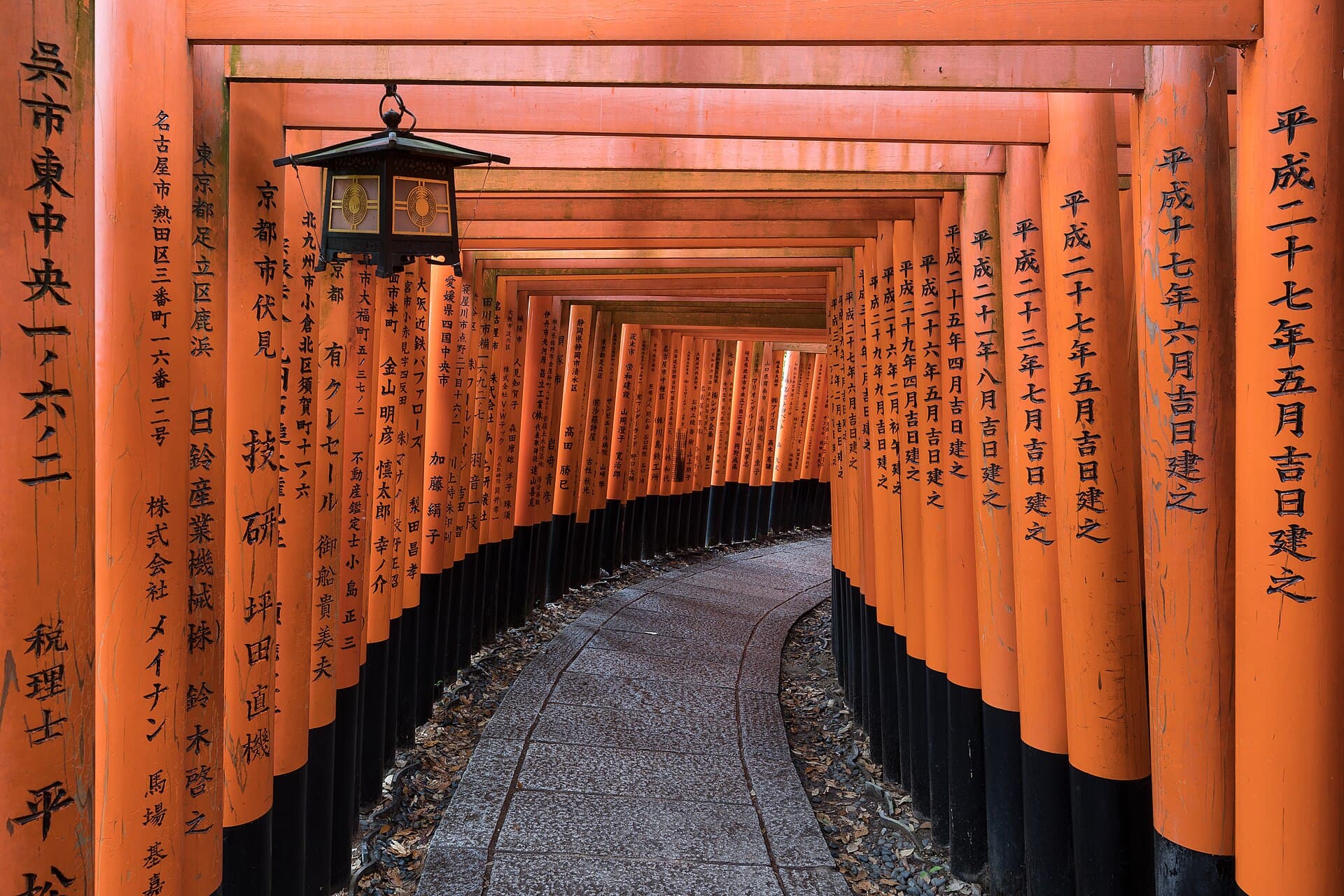
Fushimi
Home to the famous Fushimi Inari Shrine and sake-brewing history. Genuine local neighborhood feel, low tourist density day-to-day.
Best for: Budget-conscious expats and families who want more space, lower rent, and an authentic Kyoto residential experience.
Rent ¥45,000–75,000/month ($290–$485) for a 1K/1LDK
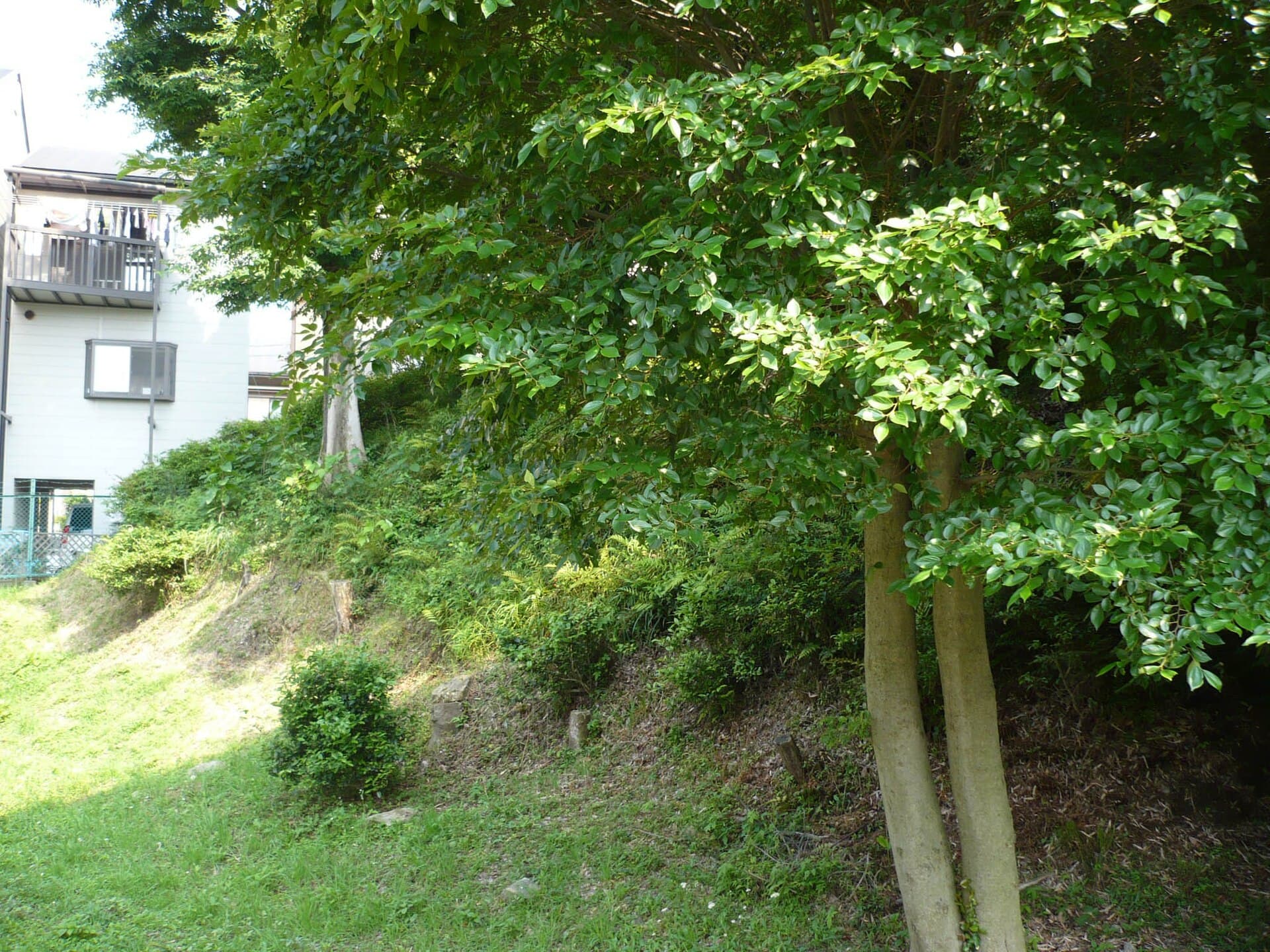
Yamashina
Quiet suburban district east of the city center, surrounded by mountains, family-oriented, and very affordable.
Best for: Families and those wanting maximum space and quiet while still being 10–15 minutes from central Kyoto by rail.
Rent ¥40,000–65,000/month ($260–$420) for a 1K/1LDK or 2DK
The truth about Kyoto
The bits the brochures skip - what expats love, and what tests their patience.
What you’ll love
- 0117 UNESCO World Heritage sites within the city - daily access to some of humanity's greatest architecture
- 02Significantly cheaper than Tokyo - rent, food, and transport all lower while quality of life remains very high
- 0315 minutes to Osaka by express train, opening up a much larger job market and social scene
- 04Kyoto University is world-class; academic and research community provides English-speaking social networks
- 05Slower, more contemplative pace of life - ideal for families and those seeking balance over hustle
- 06Cherry blossom and autumn koyo seasons are among the most beautiful natural spectacles on Earth
What might bug you
- 01Smaller job market - most white-collar opportunities require travel to Osaka or Tokyo
- 02Overtourism in peak seasons (March–April, October–November) can make popular areas feel crowded
- 03Traditional Kyoto culture can be more reserved and conservative than Osaka - social integration takes longer
- 04Summers are hot and humid; the basin geography traps heat more than coastal cities
Where to plug in
Hand-picked coworking spaces - premium business addresses, community hubs, and budget-friendly options.
BIZcomfort Kyoto Shijo
Central, 24-hour access, clean and quiet - popular with local freelancers and remote workers
Kyoto Research Park (KRP)
Kyoto's main innovation hub with enterprise tenants, events, and a professional atmosphere
Mtokyo Kyoto (Karasuma)
Affordable drop-in space with a relaxed atmosphere; good for solo workers and writers
How Kyoto moves
Metro, buses, walkability - what works, what to avoid, and how much you'll actually spend.

- 01
Kyoto City Bus - extensive network covering most temples and tourist areas; ¥230 ($1.53) flat fare or ¥600 ($4) day pass
- 02
Keihan and Hankyu Private Railways - connect Kyoto to Osaka quickly and cheaply; IC card compatible
- 03
JR Sagano/Nara Lines - essential for reaching Fushimi Inari, Arashiyama, and Nara from Kyoto Station
- 04
Cycling - Kyoto is exceptionally bike-friendly and flat in the city center; many temples have bike parking and rental shops are everywhere
Key takeaways
If you only remember five things about Kyoto, make it these.
Budget
¥200,000–¥290,000 ($1,330–$1,930)/mo · rent from ¥70,000–¥120,000 ($467–$800)
Where to live
Gion, Downtown / Shijo-Kawaramachi, Kawaramachi
Top advantage
17 UNESCO World Heritage sites within the city - daily access to some of humanity's greatest architecture
Watch out
Smaller job market - most white-collar opportunities require travel to Osaka or Tokyo
Remote work
3+ coworking spaces, from ¥22,000/mo ($147)/mo
More on Japan
Drill into the country-level guides - visa rules, healthcare, schools, taxes, and more.
Tools to plan your move to Kyoto
Practical tools to turn an idea into a real plan - pick a season, time your visa, build a budget, even live a day before you go.
Kyoto cost of living
Full monthly budget breakdown - rent, food, transport, utilities
Best time to move to Japan
Season-by-season - weather, visa timing, rental markets
Country match quiz
Eight quick questions, AI-matched country shortlist
Visa finder
Search visa options by nationality, budget, and stay length
A day in Kyoto
Live a perfect day with AI - real cafés, costs, and routes
Relocation plan
Step-by-step AI moving timeline tailored to you
City rankings
See where Kyoto sits in our independent expat city rankings.
Cheapest Cities for Digital Nomads
Ranked list of the most affordable cities for digital nomads in 2026. Budget, internet speed, English level, and coworking info for each city.
Cities With the Fastest Internet
Ranked list of cities with the fastest broadband internet for remote workers and digital nomads. Speed, cost of living, and English level for each city.
Best Cities for English Speakers
Cities where English is widely spoken - ranked by cost of living. Perfect for expats who want to settle abroad without a language barrier.
Most Affordable Cities in Europe
Cheapest European cities for expats ranked by monthly cost of living. Budget breakdowns, internet speeds, and English levels for each city.
Best Cities in Southeast Asia for Expats
Top cities in Southeast Asia for expats and digital nomads. Ranked by budget with internet speed, English level, and lifestyle highlights.
Best Cities in Latin America for Expats
Top Latin American cities for expats and digital nomads. Ranked by budget with internet speed, English level, and lifestyle highlights.
Also in Japan
3 other cities worth a look - each with its own rhythm, costs, and character.
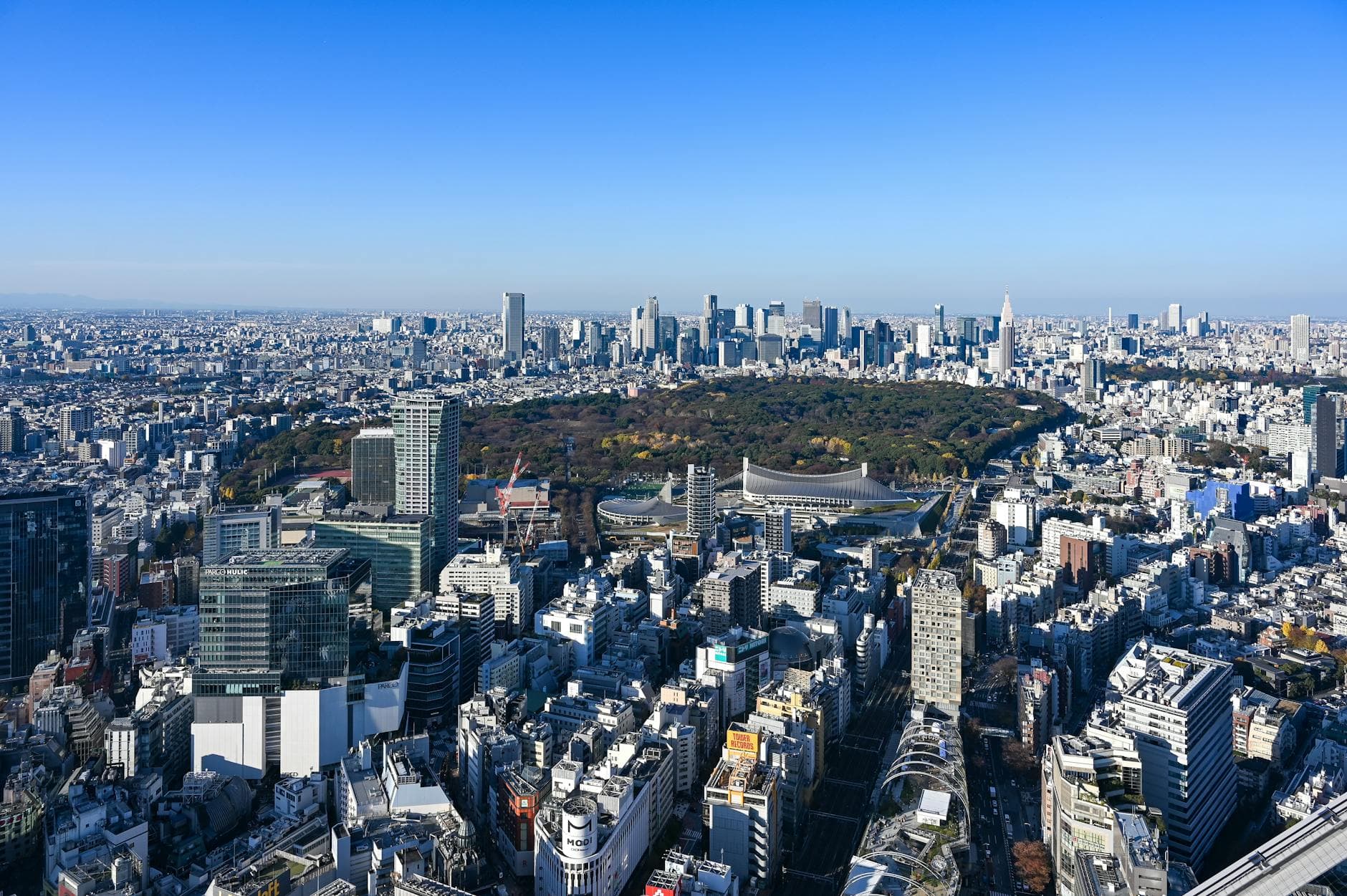
Tokyo
The world's largest city - endlessly efficient, cosmopolitan, and unlike anywhere else
¥250,000–¥370,000 ($1,700–$2,500) /mo
Read guide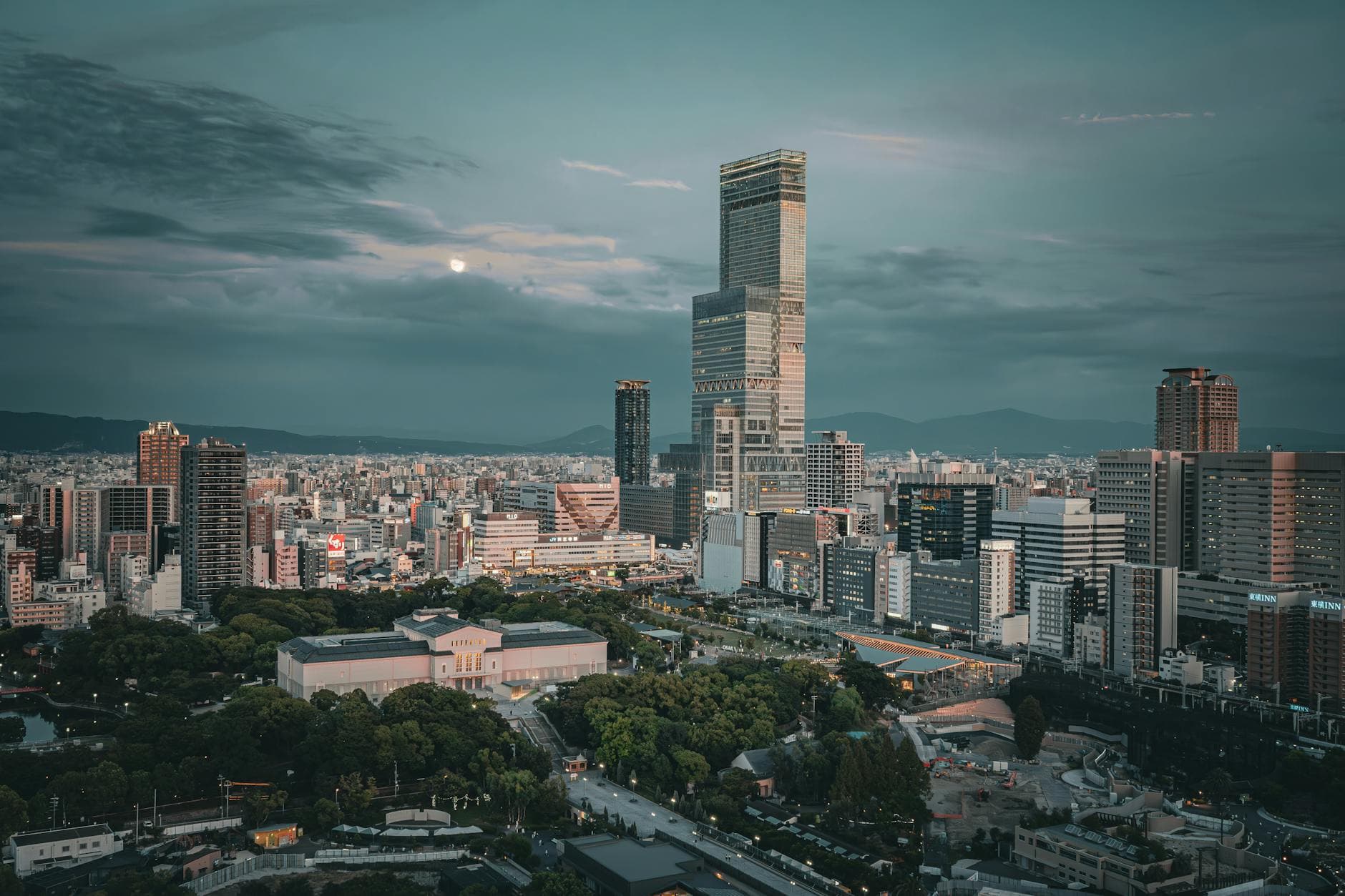
Osaka
Japan's kitchen and friendliest city - 20–30% cheaper than Tokyo with an unbeatable food scene
¥200,000–¥300,000 ($1,330–$2,000) /mo
Read guide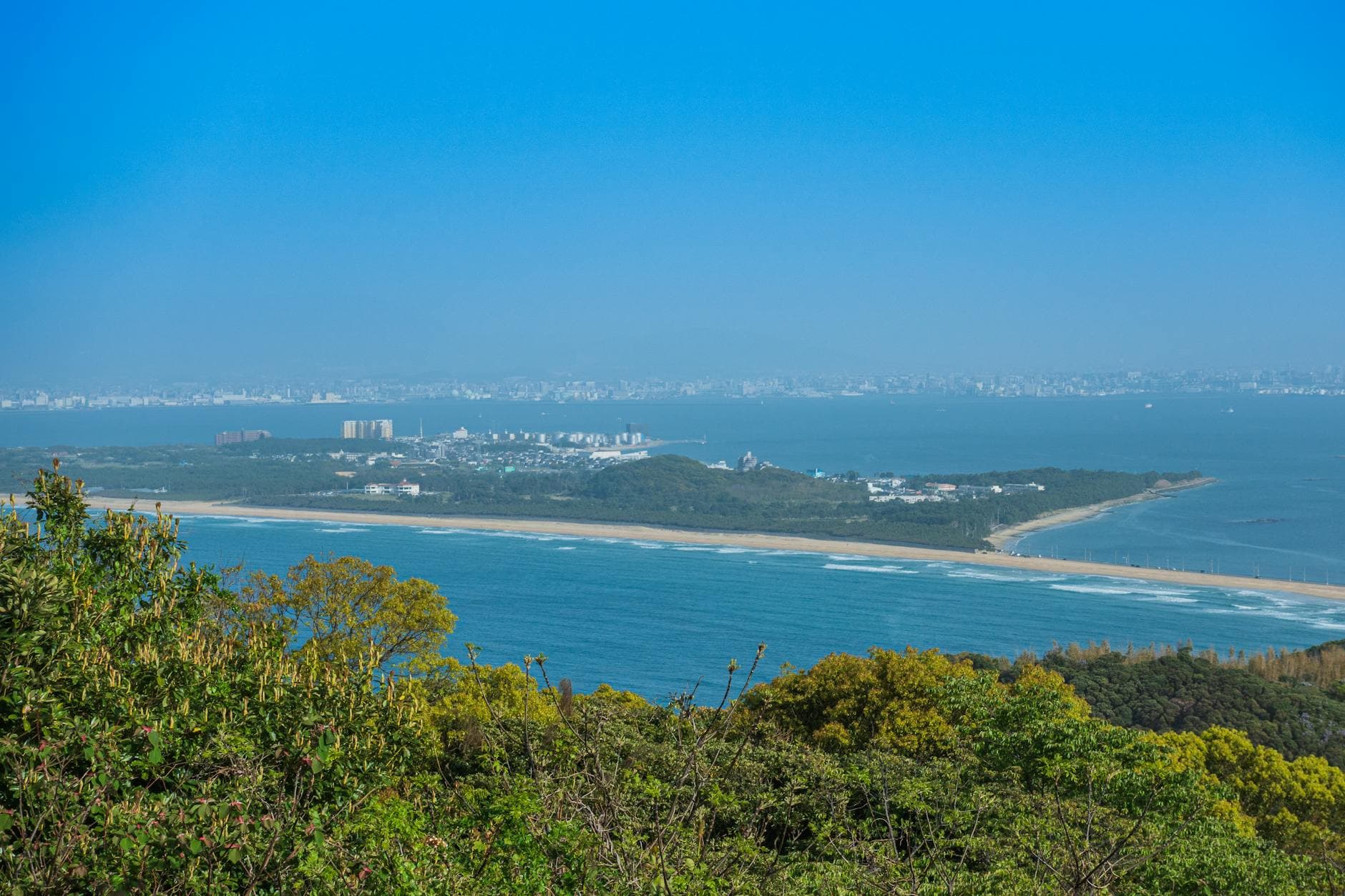
Fukuoka
Japan's most livable city - startup capital, legendary ramen, and 30% cheaper than Tokyo
¥180,000–280,000 ($1,200–$1,860) /mo
Read guideCommon questions
Honest answers about life in Kyoto.
How much does it cost to live in Kyoto per month?
What are the best neighborhoods in Kyoto for expats?
Is Kyoto good for digital nomads?
What are the pros and cons of living in Kyoto?
How do you get around in Kyoto?
Can you actually move to Kyoto?
Everything above is general. This is not. Our relocation expert researches your nationality, income, household and timeline against the law as it stands today, names the instrument behind every figure, and tells you where you actually qualify.
What you’ll get
Where you qualify
Routes open to your passport, today
The real numbers
Current thresholds, fees and timelines
The paperwork
What you must prove, and how
What goes wrong
The three risks for a case like yours
Sources named
Every figure traced to its instrument
Written by an expert. Delivered in 3 working days.
Is Kyoto right for you?
Eight quick questions, an AI-matched shortlist of countries and cities for your budget and lifestyle.
Take the free quizExpat Insights, weekly
Cost-of-living shifts, visa updates, real expat stories from Kyoto and beyond.