🌅

🇮🇹 Italy

Lifestyle

Italy's lifestyle offering is unmatched in Western Europe: extraordinary food and wine culture, some of the world's greatest art cities, a Mediterranean pace of life, dramatic natural beauty, and a genuine passion for living well. Understanding and embracing Italian lifestyle is the greatest reward of making Italy your home..

58

UNESCO World Heritage Sites

Most in the world (2025)

380+

Michelin-Starred Restaurants

Italy's total; 11 with 3 stars

530+

Wine DOC/DOCG Appellations

Hundreds of unique wine zones

€20–€80

Serie A Match Ticket

Regular season; derbies higher

€29–€59

Frecciarossa Rome–Florence

Booked in advance; 1h35min

€15–€30

Beach Day (Lido), Rimini

Sunbed + umbrella rental

Overview

Italy's lifestyle offering is unmatched in Western Europe: extraordinary food and wine culture, some of the world's greatest art cities, a Mediterranean pace of life, dramatic natural beauty, and a genuine passion for living well. Understanding and embracing Italian lifestyle is the greatest reward of making Italy your home.

Key Takeaways

  • Must-know regional specialities: Neapolitan pizza (Campania), ragù alla Bolognese (Emilia-Romagna), bistecca alla Fiorentina (Tuscany), cacio e pepe and carbonara (Lazio/Rome), risotto alla Milanese (Lombardy), arancini (Sicily), orecchiette con cime di rapa (Puglia)
  • Florence (Firenze): the Uffizi Gallery (Botticelli, Leonardo, Michelangelo), Galleria dell'Accademia (David), Pitti Palace, Ponte Vecchio, Brunelleschi's Dome — the world capital of Renaissance art
  • Serie A football (calcio): the world's most tactically sophisticated football league; local clubs (Juventus, Inter, AC Milan, Roma, Napoli, Lazio, Fiorentina) inspire intense local passion; tickets €20–€80 for regular matches
  • Amalfi Coast (Campania): dramatic cliffside villages, turquoise sea, lemon groves; Positano, Ravello, and Amalfi town — best visited outside July/August to avoid overcrowding; ferry from Naples or Salerno
1

Food, Wine & Regional Culture

Italian food culture is not a single cuisine but 20 distinct regional traditions, each with profound pride in its own products, recipes, and culinary identity. The north (Piedmont, Emilia-Romagna, Lombardy) leans toward rich butter sauces, risotto, pasta ripiena, and aged cheeses; the centre (Tuscany, Umbria, Lazio) to simplicity and quality ingredients; the south (Campania, Sicily, Calabria) to olive oil, tomatoes, seafood, and citrus. Mastering Italian regional food culture is a lifetime's joyful education.

  • Must-know regional specialities: Neapolitan pizza (Campania), ragù alla Bolognese (Emilia-Romagna), bistecca alla Fiorentina (Tuscany), cacio e pepe and carbonara (Lazio/Rome), risotto alla Milanese (Lombardy), arancini (Sicily), orecchiette con cime di rapa (Puglia)
  • Wine regions: Barolo and Barbaresco (Piedmont), Brunello di Montalcino and Chianti Classico (Tuscany), Amarone (Veneto), Prosecco (Veneto/Friuli), Sagrantino (Umbria), Primitivo (Puglia), Nero d'Avola (Sicily) — Italy produces more wine than any country on Earth
  • Mercati (food markets): Mercato di Porta Palazzo (Turin — Europe's largest open-air market), Mercato Centrale (Florence/Rome), Mercato di Mezzo (Bologna), Vucciria (Palermo) — shopping at markets is the authentic Italian food experience
  • Slow Food movement: founded in Piedmont (Bra, CN) by Carlo Petrini in 1989 as a reaction to fast food — promotes artisan producers, biodiversity, and local food culture; Italy is the heartland of the global Slow Food movement
  • Gelato culture: real Italian gelato (artigianale) is denser, richer, and more flavourful than industrial ice cream; look for gelaterie that display gelato in covered metal containers (not piled in mountains of colour)
  • Cheeses to discover: Parmigiano Reggiano, Grana Padano, Mozzarella di Bufala DOP, Burrata (Puglia), Pecorino Romano, Gorgonzola, Taleggio, Asiago, Fontina — each PDO-protected and profoundly regional
2

Art, History & Culture

Italy is humanity's greatest open-air museum. The concentration of art, architecture, and history in a relatively small country is staggering — and living in Italy means these treasures become part of daily life rather than a tourist itinerary. From Roman forums to Renaissance palaces to Baroque churches, engagement with Italian cultural heritage transforms the expat experience.

  • Florence (Firenze): the Uffizi Gallery (Botticelli, Leonardo, Michelangelo), Galleria dell'Accademia (David), Pitti Palace, Ponte Vecchio, Brunelleschi's Dome — the world capital of Renaissance art
  • Venice (Venezia): unique canal city on a lagoon; Piazza San Marco, the Doge's Palace, the Peggy Guggenheim Collection, Murano glass-blowing, the Venice Film Festival, La Biennale — no cars, no parallel anywhere on Earth
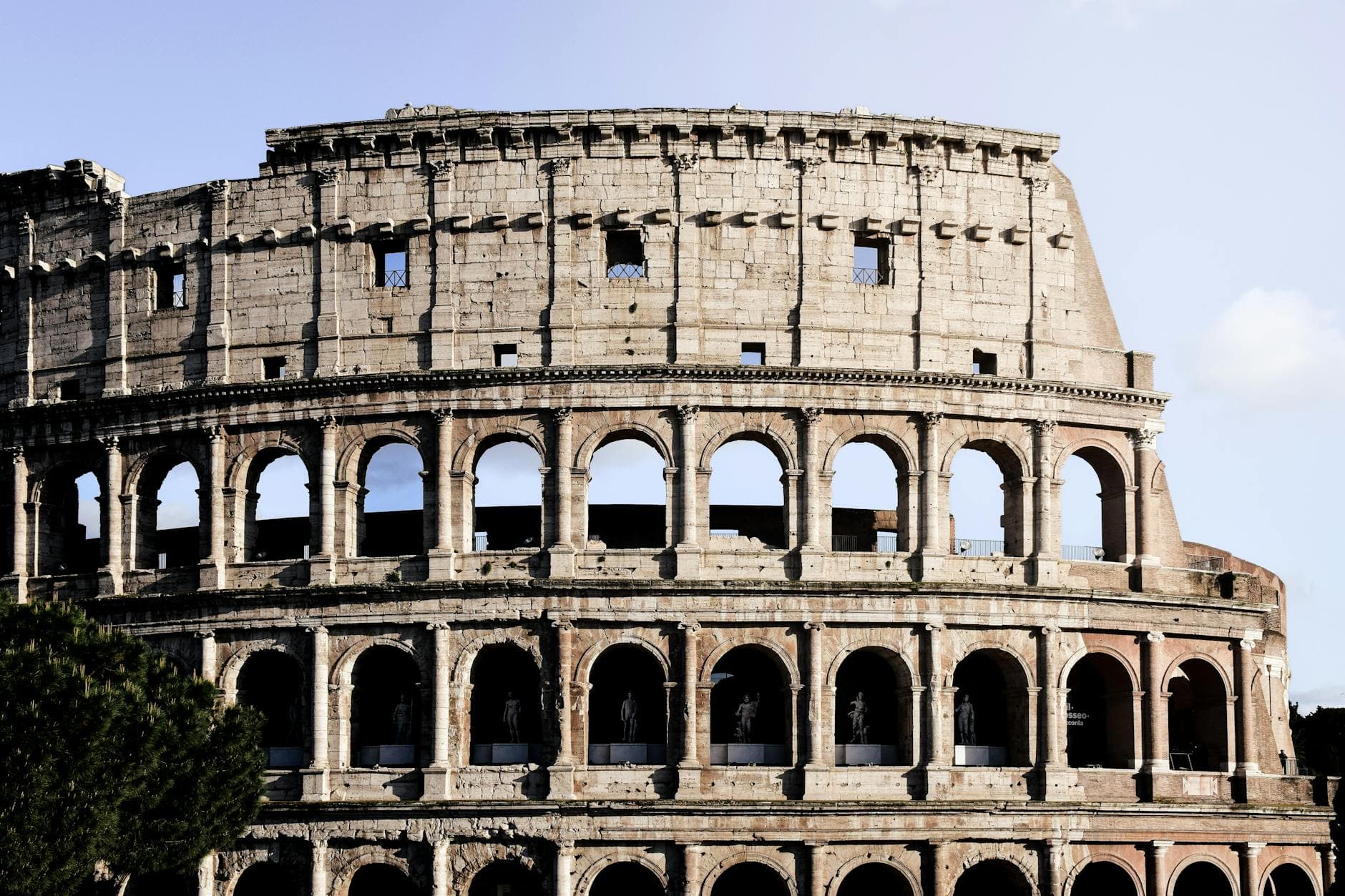
  • Rome: the Colosseum, Roman Forum, Palatine Hill, Vatican Museums, Sistine Chapel, Castel Sant'Angelo, Borghese Gallery, the Pantheon — 2,000 years of continuous civilisation visible simultaneously
  • Siena: the Piazza del Campo (UNESCO), the Palio horse race (July and August), Gothic Cathedral — one of Italy's best-preserved medieval cities
  • Sicily: Greek temples at Agrigento and Selinunte (older than the Parthenon), Norman cathedrals, Baroque Noto and Ragusa, Mount Etna (active stratovolcano) — the most multilayered cultural landscape in Italy
  • Contemporary art: Milan's Fondazione Prada and Pirelli HangarBicocca; Venice Biennale (contemporary art, architecture, dance, film); MAXXI in Rome — Italy is not only ancient history
3

Sport, Festivals & Events

Italian cultural life is punctuated by some of the world's most spectacular festivals, sporting events, and seasonal celebrations. Participating in these — rather than observing as a tourist — is the mark of genuine Italian integration.

  • Serie A football (calcio): the world's most tactically sophisticated football league; local clubs (Juventus, Inter, AC Milan, Roma, Napoli, Lazio, Fiorentina) inspire intense local passion; tickets €20–€80 for regular matches
  • Giro d'Italia (cycling): Italy's grand cycling tour in May — one of sport's most beautiful spectacles; free to watch roadside as the peloton passes through towns and mountains; cycling culture is deeply Italian
  • Formula 1 — Italian Grand Prix at Monza: September; Monza is the oldest F1 circuit in continuous use; the tifosi (Ferrari fans) atmosphere is legendary; the fastest circuit on the calendar
  • Carnevale di Venezia (February): the most spectacular carnival in the world; elaborate masks (maschere), costume balls, street performances — the Venice Carnival transforms an already surreal city into something otherworldly
  • Palio di Siena (July 2 and August 16): one of the world's most ancient sporting events — a bareback horse race around Piazza del Campo for neighbourhood (contrada) honour; viscerally intense and genuinely Italian
  • Ferragosto (August 15): Italy's most important summer holiday — the Feast of the Assumption; everything closes, Italians flood beaches and mountains, cities empty; plan or embrace accordingly
4

Weekend Escapes & Natural Beauty

Italy's geography offers an extraordinary range of weekend destinations within a few hours of any city. From the Dolomites to the Amalfi Coast, from Sardinia to Cinque Terre, Italy's natural beauty complements and amplifies its cultural riches.

  • Amalfi Coast (Campania): dramatic cliffside villages, turquoise sea, lemon groves; Positano, Ravello, and Amalfi town — best visited outside July/August to avoid overcrowding; ferry from Naples or Salerno
  • Cinque Terre (Liguria): five colourful fishing villages on steep cliffs above the Ligurian Sea; connected by hiking trails (Sentiero Azzurro) and local trains; avoid August peak; base in La Spezia for day visits
  • Dolomites (Trentino-Alto Adige/Veneto): UNESCO World Heritage alpine scenery; world-class skiing (Val Gardena, Cortina d'Ampezzo, Alta Badia) in winter; dramatic hiking and cycling in summer
  • Sardinia (Sardegna): arguably Europe's finest beaches; Costa Smeralda for luxury; Ogliastra and Gulf of Orosei for dramatic unspoiled coves; nuraghe prehistoric monuments; distinct language and culture
  • Tuscany countryside: Chianti wine region, Val d'Orcia UNESCO landscape, Montalcino (Brunello), Montepulciano, San Gimignano — 2 hours from Rome or Florence, perfect cycling and agriturismo territory
  • Sicily: fly or take the overnight ferry from Naples; Greek temples, Baroque cities, active Etna, Mount Stromboli, the Aeolian Islands — Italy's most culturally complex and visually dramatic region
FAQs

Common Questions — Lifestyle in Italy

Find Your Perfect City with AI

Describe your lifestyle and our AI matches you to the best expat cities — then simulates a full day there.

Take the Free Quiz

Expat Insights, Weekly

Visa updates, cost-of-living data, and expat stories from Italy in your inbox.

More Italy Guides

🇮🇹

Ready to explore Italy?

Browse our city guides to find the perfect base for your expat life in Italy.