Western Europe
Central & Eastern Europe
Asia & Middle East
Americas
Oceania & Africa
Expat Topics
Shanghai
China · 25 million (city), 29 million (metro area)
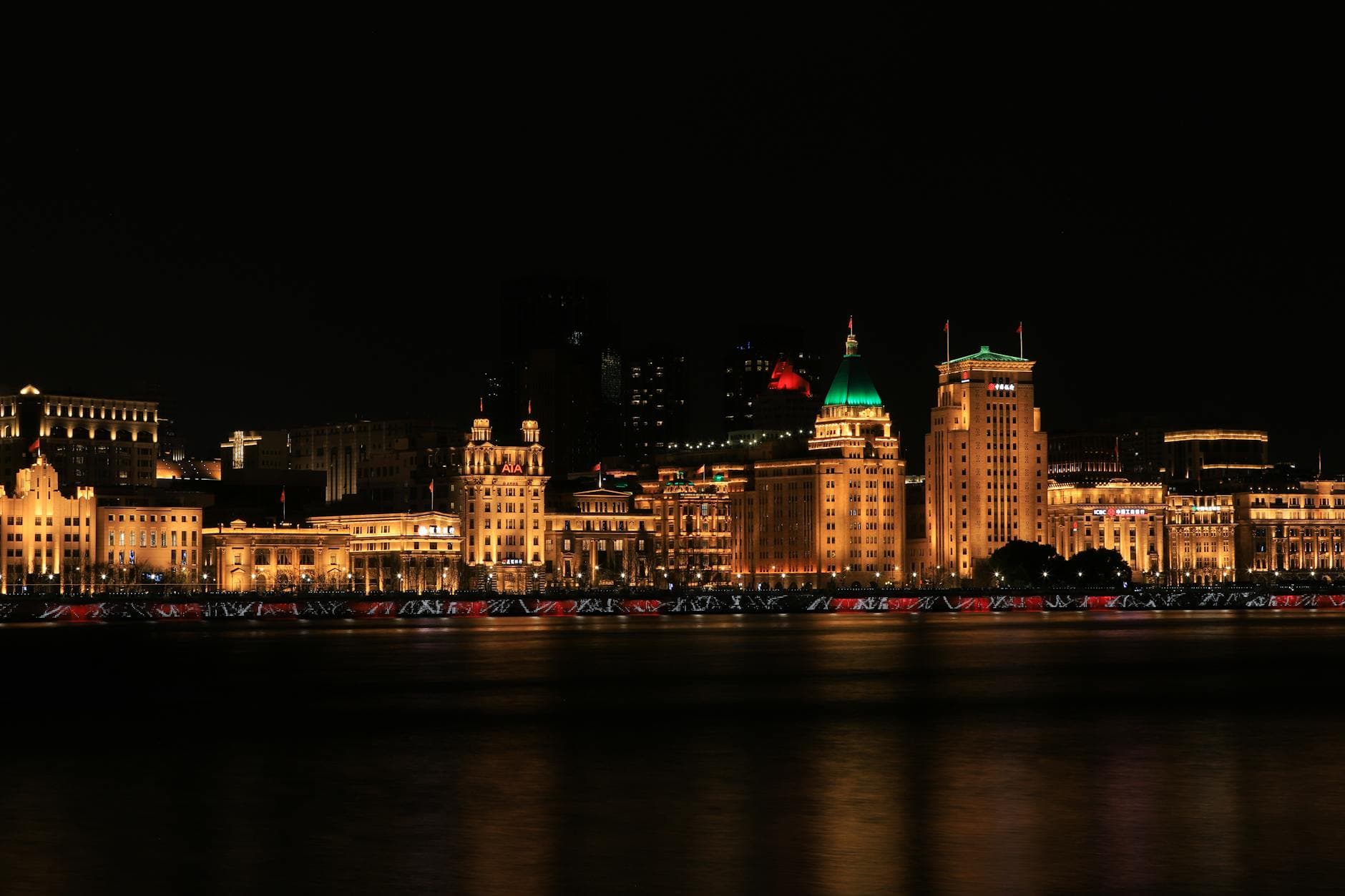
China's global financial hub - the Bund skyline, French Concession charm, and Asia's most cosmopolitan expat scene
Data verified August 13, 2026
Last updated September 2026
Finance/tech professionals, entrepreneurs, teachers, creatives
Best For
¥13,000–¥18,000 ($1,800–$2,500)
Monthly Budget
¥6,000–¥10,000/mo ($830–$1,380)
1-BR Center Rent
~250 Mbps (fiber/5G; VPN required for Google/social media)
Internet Speed
Moderate in business districts; low elsewhere
English Level
Subtropical - hot humid summers (38°C), cold damp winters (0–5°C)
Climate
PVG (Pudong) + SHA (Hongqiao) - 300+ international routes
Airport
Can you actually move to Shanghai?
We research your nationality, income and timeline against the law as it stands, and tell you whether Shanghai works and what it takes.
Shanghai is China's largest city and its undisputed international gateway - a place where Art Deco mansions sit beside futuristic supertalls, and French Concession plane-tree lanes give way to neon-lit Nanjing Road. Home to 25 million people, the city hosts the densest concentration of expats in mainland China and offers the most Western-friendly infrastructure anywhere in the country. One-bedroom apartments in the Former French Concession rent for ¥6,000–10,000/month ($830–$1,380), world-class restaurants serve meals for ¥50–100 ($7–$14), and the metro system covers 800+ km across 20 lines. Shanghai rewards expats who want big-city energy with an unmistakable Chinese character.
¥13,000–¥18,000 ($1,800–$2,500)
Monthly Budget
¥6,000–¥10,000 ($830–$1,380)
1-BR Rent
6
Neighborhoods
5+
Coworking Spaces
💰 Monthly Budget in Shanghai
| Expense | Monthly Cost |
|---|---|
| Rent (1-BR, city center) | ¥6,000–¥10,000 ($830–$1,380) |
| Rent (1-BR, outer districts) | ¥3,500–¥5,500 ($485–$760) |
| Groceries | ¥2,000–¥3,500 ($275–$485) |
| Transport (metro monthly) | ¥200–¥400 ($28–$55) |
| Utilities (electricity, gas, water) | ¥300–¥600 ($42–$83) |
| Internet (fiber) | ¥100–¥200 ($14–$28) |
| Health insurance (private/intl) | ¥800–¥2,500 ($110–$345) |
| Dining out (3–4×/week) | ¥1,500–¥3,000 ($210–$415) |
| Entertainment & misc. | ¥1,000–¥2,000 ($140–$275) |
| Total (comfortable, central) | ¥13,000–¥18,000 ($1,800–$2,500) |
Best Neighborhoods in Shanghai
Where expats actually live - with honest assessments of vibe, cost, and who each area suits.
Former French Concession (Xuhui/Jing'an)
Higher-endPlane-tree-lined boulevards, Art Deco villas, independent cafés, wine bars, and boutique shops. Shanghai's most charming and walkable area with a distinctly European feel.
Best for: Western expats, creatives, and professionals who want the most cosmopolitan lifestyle with easy access to international restaurants and nightlife.
View full neighborhood guide →
Jing'an
Higher-endCentral business district energy meets trendy lifestyle - luxury malls, Michelin restaurants, temples, and some of Shanghai's best coworking spaces. Well-connected by metro.
Best for: Business professionals and entrepreneurs wanting a central location with premium amenities and excellent transit links.
View full neighborhood guide →
Pudong (Lujiazui)
LuxuryShanghai's futuristic financial district - Oriental Pearl Tower, Shanghai Tower, riverside promenades, and modern high-rise apartments. Corporate and polished.
Best for: Finance professionals and corporate expats working in Lujiazui banks and multinational offices who prefer new-build luxury apartments.
View full neighborhood guide →
Hongkou / North Bund
Mid-rangeUp-and-coming riverside district with stunning Bund views, lower rents, historic Jewish quarter heritage, and a growing café scene. Less polished but rapidly improving.
Best for: Budget-conscious expats who want Bund-area access at 30–40% less rent, plus a more authentically Chinese neighborhood feel.
View full neighborhood guide →
Changning / Gubei
Mid-rangeShanghai's 'Koreatown' and international family hub - Korean, Japanese, and Taiwanese restaurants, international schools nearby, quiet residential streets, and reliable expat services.
Best for: Expat families, Korean and Japanese communities, and anyone wanting a quieter, well-serviced suburban feel within the city.
View full neighborhood guide →
Minhang
BudgetSprawling outer district popular with families for its international school proximity, larger apartments, green spaces, and significantly lower rents. Less urban energy.
Best for: Families with school-age children attending nearby international schools who prioritize space and greenery over nightlife.
View full neighborhood guide →
Pros & Cons of Living in Shanghai
What Expats Love
- Most international city in mainland China - largest expat community, English-friendly services, global restaurants
- Extraordinary food scene spanning every Chinese regional cuisine plus world-class international dining
- Excellent metro system - 800+ km across 20 lines, clean, cheap (¥3–9 per ride), and expanding annually
- Former French Concession is one of Asia's most charming neighborhoods - walkable, green, architecturally stunning
- Strong job market for expats in finance, tech, education, and trade - many multinational regional HQs based here
- WeChat/Alipay ecosystem makes daily life incredibly convenient - cashless payments for everything
- Affordable dining - exceptional meals from ¥30–60 ($4–$8); delivery to your door in 30 minutes
Watch Out For
- Air quality can be poor - AQI regularly exceeds 100 in winter months; invest in air purifiers and masks
- Great Firewall blocks Google, YouTube, WhatsApp, Instagram - VPN essential but not always reliable
- Summers are brutally hot and humid (35–40°C) from June through September
- Language barrier is steep - Mandarin is essential for daily life beyond expat bubbles
- Bureaucracy is complex - visa renewals, bank accounts, and apartment registration require patience and paperwork
Coworking Spaces in Shanghai
Best options for remote workers, digital nomads, and freelancers.
WeWork Shanghai (Jing'an/Huangpu/Pudong)
Multiple locations across Shanghai; English-friendly staff; reliable Wi-Fi and global community events
naked Hub (Former French Concession)
Shanghai-born brand with design-forward spaces in heritage buildings; strong local startup community
MIXPACE (Jing'an)
Budget-friendly option with 24/7 access; popular with freelancers and remote workers
People Squared (P2)
China's largest coworking network with multiple Shanghai locations; bilingual community managers
Distrii (Lujiazui/Jing'an)
Premium Chinese coworking brand with smart-office tech; strong in Pudong financial district
Getting Around Shanghai
- 1Shanghai Metro - 20 lines, 800+ km, ¥3–9 ($0.40–$1.25) per ride; covers virtually everywhere; use Alipay/WeChat QR to enter
- 2DiDi (ride-hailing) - China's Uber equivalent; affordable (¥15–40 for most city rides); English version available; link to Alipay for payment
- 3Shared bikes (Meituan/Hello) - ¥1.5–3 per 30 min; scan QR to unlock; excellent for short trips in flat central areas
- 4Maglev Train - Pudong Airport to Longyang Rd in 8 minutes at 430 km/h; ¥50 one-way
- 5Walking - Former French Concession and Bund areas are highly walkable; Shanghai is flat and pedestrian-friendly in central districts
Shanghai Cost of Living
Full monthly budget breakdown - rent, food, transport & lifestyle costs
Best Time to Move to China
Season-by-season guide - weather, visa timing & rental market tips
Shanghai Expat Guides by Topic
Compare Shanghai with Other Cities
City Rankings
Cheapest Cities for Digital Nomads
Ranked list of the most affordable cities for digital nomads in 2026. Budget, internet speed, English level, and coworking info for each city.
Cities With the Fastest Internet
Ranked list of cities with the fastest broadband internet for remote workers and digital nomads. Speed, cost of living, and English level for each city.
Best Cities for English Speakers
Cities where English is widely spoken - ranked by cost of living. Perfect for expats who want to settle abroad without a language barrier.
Most Affordable Cities in Europe
Cheapest European cities for expats ranked by monthly cost of living. Budget breakdowns, internet speeds, and English levels for each city.
Best Cities in Southeast Asia for Expats
Top cities in Southeast Asia for expats and digital nomads. Ranked by budget with internet speed, English level, and lifestyle highlights.
Best Cities in Latin America for Expats
Top Latin American cities for expats and digital nomads. Ranked by budget with internet speed, English level, and lifestyle highlights.
Also Explore in China
Key Takeaways: Living in Shanghai
- 1Budget: A comfortable lifestyle costs ¥13,000–¥18,000 ($1,800–$2,500)/month, with 1-BR rent from ¥6,000–¥10,000 ($830–$1,380).
- 2Best areas: Former French Concession (Xuhui/Jing'an), Jing'an, Pudong (Lujiazui) are the most popular neighborhoods for expats.
- 3Top advantage: Most international city in mainland China - largest expat community, English-friendly services, global restaurants
- 4Watch out: Air quality can be poor - AQI regularly exceeds 100 in winter months; invest in air purifiers and masks
- 5Remote work: 5+ coworking spaces available, from ¥1,200/mo ($165)/mo.
Frequently Asked Questions About Living in Shanghai
How much does it cost to live in Shanghai per month?
A comfortable monthly budget in Shanghai is ¥13,000–¥18,000 ($1,800–$2,500). This includes rent, groceries, transport, utilities, dining out, and entertainment. One-bedroom apartments in the city center rent for ¥6,000–¥10,000 ($830–$1,380)/month.
What are the best neighborhoods in Shanghai for expats?
The most popular neighborhoods for expats in Shanghai are Former French Concession (Xuhui/Jing'an), Jing'an, Pudong (Lujiazui). Former French Concession (Xuhui/Jing'an) is known for: Plane-tree-lined boulevards, Art Deco villas, independent cafés, wine bars, and boutique shops. Shanghai's most charming
Is Shanghai good for digital nomads?
Most international city in mainland China - largest expat community, English-friendly services, global restaurants There are 5+ coworking spaces, with monthly memberships from affordable rates.
What are the pros and cons of living in Shanghai?
Key advantages: Most international city in mainland China - largest expat community, English-friendly services, global restaurants. Extraordinary food scene spanning every Chinese regional cuisine plus world-class international dining. Main drawbacks: Air quality can be poor - AQI regularly exceeds 100 in winter months; invest in air purifiers and masks. Great Firewall blocks Google, YouTube, WhatsApp, Instagram - VPN essential but not always reliable.
How do you get around in Shanghai?
Shanghai Metro - 20 lines, 800+ km, ¥3–9 ($0.40–$1.25) per ride; covers virtually everywhere; use Alipay/WeChat QR to enter DiDi (ride-hailing) - China's Uber equivalent; affordable (¥15–40 for most city rides); English version available; link to Alipay for payment Shared bikes (Meituan/Hello) - ¥1.5–3 per 30 min; scan QR to unlock; excellent for short trips in flat central areas
Live a day in Shanghai before you move
Our AI simulates your perfect day - real cafes, actual costs in local currency, mapped routes on Google Maps, and insider tips. Hour by hour, personalized to you.
Is Shanghai right for you?
Answer a few quick questions and our AI matches you with the best countries and cities for your lifestyle, budget, and priorities.
Take the Free QuizExpat Insights, Weekly
Visa updates, cost-of-living data, and real expat stories from Shanghai and beyond.