Something is shifting in the digital nomad world, and if you've spent time in any major nomad hub recently, you've felt it.
The energy has changed. Five years ago, the archetypal digital nomad was a 27-year-old with a carry-on bag, hopping from Bali to Lisbon to Medellín every 4-6 weeks. Instagram stories from a new rooftop every month. Coworking space day passes. Airbnb after Airbnb.
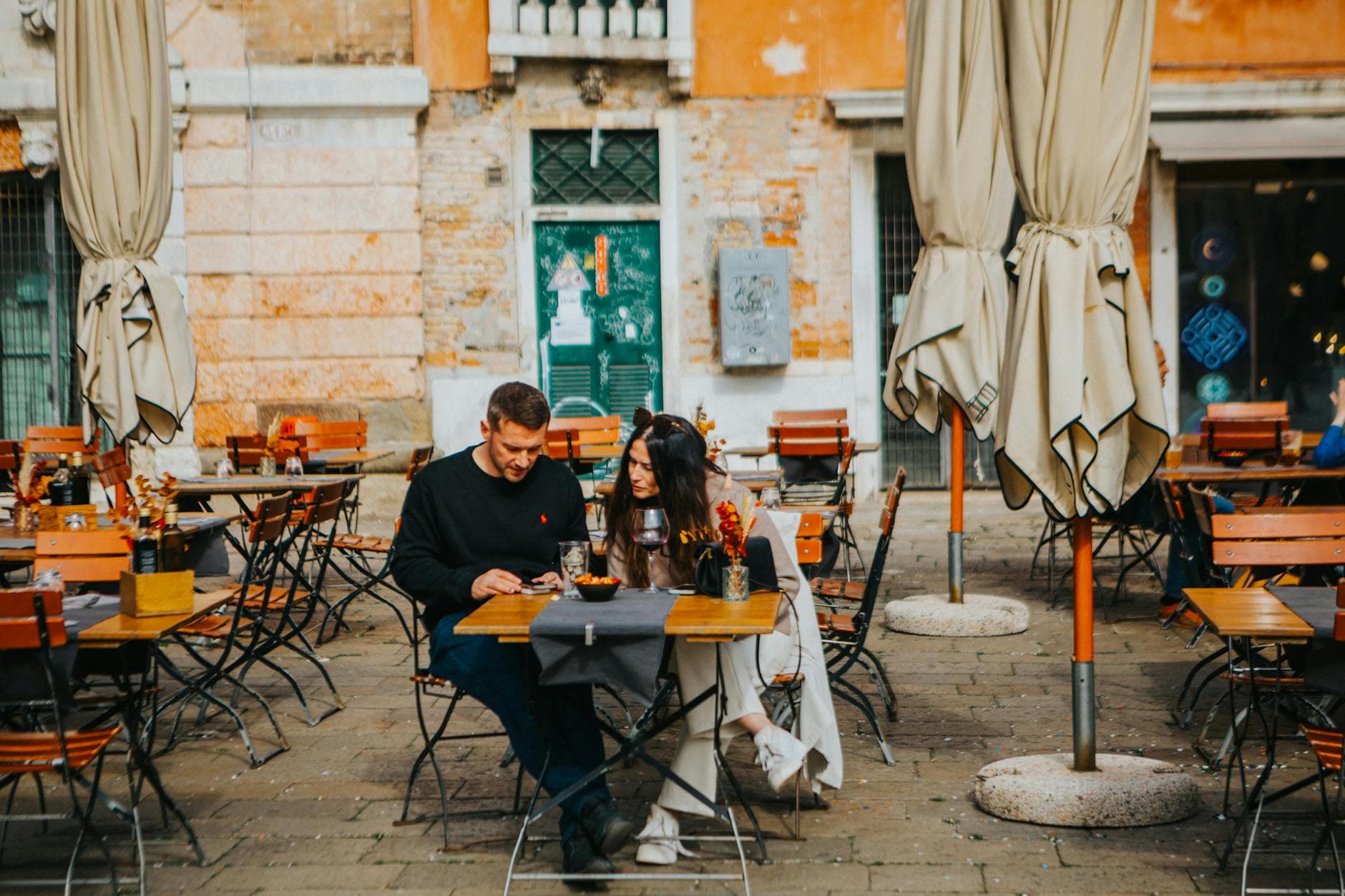
That archetype still exists, but it's no longer the dominant mode. Increasingly, remote workers are staying put. Three months, six months, a year. They're signing real leases, joining local gyms, learning the language, making friends they'll know for more than a season.
They're called slowmads — and they're redefining what location-independent living actually looks like.
Why the shift is happening
The slowmad movement isn't a trend manufactured by lifestyle bloggers. It's a correction. The constant-motion nomad lifestyle has structural problems that become obvious after year one.
1. Burnout is real
Packing and unpacking every month. Researching neighborhoods in every new city. Finding the good café with reliable Wi-Fi. Building a routine, then destroying it 30 days later. The logistics of perpetual motion consume 15-20 hours per month — time that should be spent working, resting, or actually enjoying where you are.
The burnout math: A nomad changing cities monthly spends ~240 hours/year on travel logistics alone. That's six full work weeks. Slowmads who move twice a year reclaim 200+ hours.
2. Long-term leases are 40% cheaper
Here's the financial argument in one comparison:
Lisbon, 1-bedroom apartment:
- Airbnb (monthly rate): €1,400–€1,800/month
- 6-month lease (direct with landlord): €800–€1,100/month
- 12-month lease: €700–€950/month
That's a 40-50% cost reduction just by committing to stay. Multiply that across a year, and the savings fund an entire month of travel — or go straight to savings.
The pattern holds globally. In Chiang Mai, a monthly Airbnb runs ฿18,000-25,000 ($500-700) while a 6-month lease on an equivalent condo is ฿8,000-12,000 ($220-330). In Medellín, the gap is similar.
3. Deeper connections change everything
The nomad community has a dark underbelly that few Instagram influencers mention: loneliness. Not the dramatic, crying-in-your-hostel kind. The quiet, low-grade loneliness of knowing that every person you meet is temporary. That the friend you clicked with at the coworking space leaves next Tuesday. That you're always starting over.
Slowmads report dramatically different social experiences. Three months in a city is enough to:
- Become a regular at your café (staff know your order)
- Join a sports league or hobby group
- Develop friendships that go beyond small talk
- Learn enough local language to have basic conversations
- Understand the neighborhood beyond the tourist layer
Six months is enough to feel like you live somewhere. That feeling — belonging — is the thing constant motion can never provide.
4. Visa structures now reward staying longer
The explosion of digital nomad visas since 2020 has, paradoxically, made city-hopping less practical. Most nomad visas are designed for stays of 6 months to 2 years:
- Portugal D8: 1-2 years
- Spain Digital Nomad Visa: 1 year (renewable to 3)
- Thailand DTV: 5 years (180-day stamps)
- Greece Digital Nomad Visa: 1 year (renewable)
- Estonia Digital Nomad Visa: 1 year
- Colombia Digital Nomad Visa: 2 years
The application costs, processing times, and documentation requirements make these visas impractical for 30-day stays. They're built for people who commit to a base — which is exactly what slowmads do.
5. Work quality improves with stability
This is the argument that resonates most with employers. Remote workers who change locations constantly show measurable productivity dips around every move — the week before (planning/distraction), travel days (lost time), and the week after (settling in). That's potentially 3-4 weeks of reduced output per move.
Slowmads who settle for 3-6 months develop stable routines, consistent work environments, and the mental calm that comes from not having a departure date looming. Several remote-first companies (GitLab, Doist, Automattic) have quietly started encouraging employees to "base" somewhere for at least 3 months rather than hopping constantly.
The "digital settler" identity
Some slowmads are going even further — staying 1-3 years in a single place, learning the language fluently, and building professional networks locally. They're not nomads at all anymore. They're settlers.
The term "digital settler" is emerging in nomad communities to describe people who chose one place and committed. Not permanently — they might move in a few years — but with an intention to integrate rather than observe.
The spectrum: Tourist (days) → Nomad (weeks) → Slowmad (months) → Digital Settler (years) → Expat (permanent). The lines are blurry, but the direction of movement in 2026 is clearly toward the right side of the spectrum.
The top slowmad bases in 2026
Where are slowmads landing? Five cities keep appearing in community surveys and coworking membership data:
Lisbon, Portugal
The original digital nomad capital of Europe is evolving into a slowmad city. The infrastructure is mature — dozens of coworking spaces, fiber internet everywhere, an established expat community. The D8 visa provides legal stability. And Lisbon's culture rewards staying: the neighborhood tascas, the fado nights, the Tagus River sunsets only get better when you're not rushing to see them all in two weeks.
Slowmad cost: €1,200–€1,800/month on a 6-month lease. Full Lisbon guide →
Chiang Mai, Thailand
Still the world's best value proposition for remote workers, but the community has matured. The revolving-door backpacker energy of 2018 has given way to a more settled scene. Many of Chiang Mai's "nomads" have been there for 2-5 years. They have favorite noodle stalls, regular massage therapists, and Thai conversation skills.
Slowmad cost: $700–$1,200/month on a 6-month lease. Full Chiang Mai guide →
Medellín, Colombia
The year-round spring weather (Ciudad de la Eterna Primavera), affordable living, and vibrant social scene make Medellín a natural slowmad base. The Poblado and Laureles neighborhoods have distinct flavors — Poblado is more international, Laureles more local. Colombia's 2-year digital nomad visa is among the world's most generous.
Slowmad cost: $1,000–$1,600/month on a 6-month lease. Full Medellín guide →
Bali, Indonesia
Bali's Canggu neighborhood specifically has become a slowmad village. The coworking spaces (Dojo, Outpost, Hubud) double as community centers. Surf in the morning, work in the afternoon, sunset at a beach bar. The B211A visa (6 months, renewable) and upcoming Digital Nomad Visa make longer stays practical.
Slowmad cost: $1,000–$1,800/month on a 6-month lease.
Tbilisi, Georgia
The newcomer on this list, rising fast. Tbilisi's 1-year visa-free policy removes all administrative friction. The cost of living is the lowest of the five ($700–$1,200/month). The food and wine culture is among the world's best. And the community, while smaller than Lisbon or Chiang Mai, is tight-knit and welcoming in a way that larger hubs have lost.
Slowmad cost: $700–$1,200/month on a 6-month lease.
Key Takeaways
- The city-hopping era is winding down — burnout, cost, and loneliness are driving the shift
- Long-term leases save 40%+ compared to monthly Airbnb rates in every major nomad hub
- Visa structures reward staying — most digital nomad visas require 6+ month commitments
- Work quality improves with stability — remote-first companies are quietly encouraging it
- 3-6 months is the sweet spot — enough to build connections without over-committing
- Lisbon, Chiang Mai, Medellín, Bali, and Tbilisi are the top 5 slowmad bases in 2026
- The "digital settler" is the next evolution — staying 1-3 years with real integration
Making the shift
If you've been hopping cities and feeling the drag, try an experiment: pick one city and commit to 3 months. Sign a lease. Join a gym. Find a regular café. Say no to the impulse to book the next flight.
You might discover that the freedom you were chasing wasn't about the number of stamps in your passport. It was about having the time and stability to actually enjoy where you are.
Not sure which city to commit to? Take our expat quiz — it matches your priorities with specific destinations. Or compare your top choices side by side to find the one worth staying in.
Last updated: March 18, 2026
Which country is right for you?
Answer 6 quick questions about your budget, lifestyle, and priorities. Our AI ranks 122 countries and builds a personalised relocation plan.
Enjoyed this article?
Subscribe for more expat tips and guides.
Free: The Ultimate Expat Checklist
Everything you need to prepare before moving abroad — visa, finances, healthcare, housing, and more.