Kenya just did something no African country has done at this scale: launch a fully structured digital nomad visa with clear rules, online applications, and multi-year residency. The new Class N permit, signed into law in February 2026, positions Kenya as Africa's first serious competitor in the global race for remote workers.
But there's a catch. The income requirement — $55,000 per year — is higher than any other digital nomad visa in Africa and steeper than many in Europe. Kenya is betting that premium pricing will attract high-earning professionals rather than budget nomads.
Is the bet worth it?
What the Class N permit offers
Quick answer: Kenya's Class N digital nomad permit requires $55,000/year income, costs $2,000/year, and grants 1-2 year residency. Applicants must prove remote employment or freelance income from outside Kenya.
Here are the key details:
- Income requirement: $55,000/year ($4,583/month) from non-Kenyan sources
- Application fee: $2,000 per year (non-refundable)
- Validity: 1 year, renewable for a second year
- Processing time: 15–30 business days
- Work restriction: Cannot work for Kenyan companies or take local employment
- Tax status: Not subject to Kenyan income tax on foreign-sourced income (under current guidance)
- Dependents: Spouse and children can be added for $500 each per year
The permit grants full residency rights — you can open a bank account, sign a lease, get a Kenyan phone number, and travel freely within East Africa's visa-free zone (Kenya, Uganda, Rwanda).
How does $55K compare to other nomad visas?
This is where it gets interesting. Kenya's threshold is steep by any global standard:
| Country | Visa | Annual Income Required | Annual Fee |
|---|---|---|---|
| Kenya | Class N | $55,000 | $2,000 |
| Portugal | D8 | ~$47,000 (€3,280/mo) | €75 |
| Spain | Digital Nomad | ~$30,000 | €100 |
| Thailand | DTV | ~$16,000 | $300 |
| Colombia | Digital Nomad | ~$15,600 ($1,300/mo) | $177 |
| Indonesia | B211A | ~$24,000 | $375 |
| Mexico | Temporary Resident | ~$30,000 | $400 |
The reality check: Kenya's income bar is higher than Portugal's D8 visa, which gives you access to all of Europe. It's more than triple Thailand's DTV, which buys you tropical living at a fraction of Kenyan prices. The $2,000 annual fee is also among the highest globally.
Kenya is clearly not targeting budget nomads. This visa is designed for well-compensated tech workers, senior freelancers, and remote executives — people earning $80K+ who want something different from the Lisbon-Bali-Chiang Mai circuit.
Why Kenya, though?
Strip away the visa mechanics and ask the real question: why would a $55K+ remote worker choose Nairobi over Lisbon?
The case for Kenya:
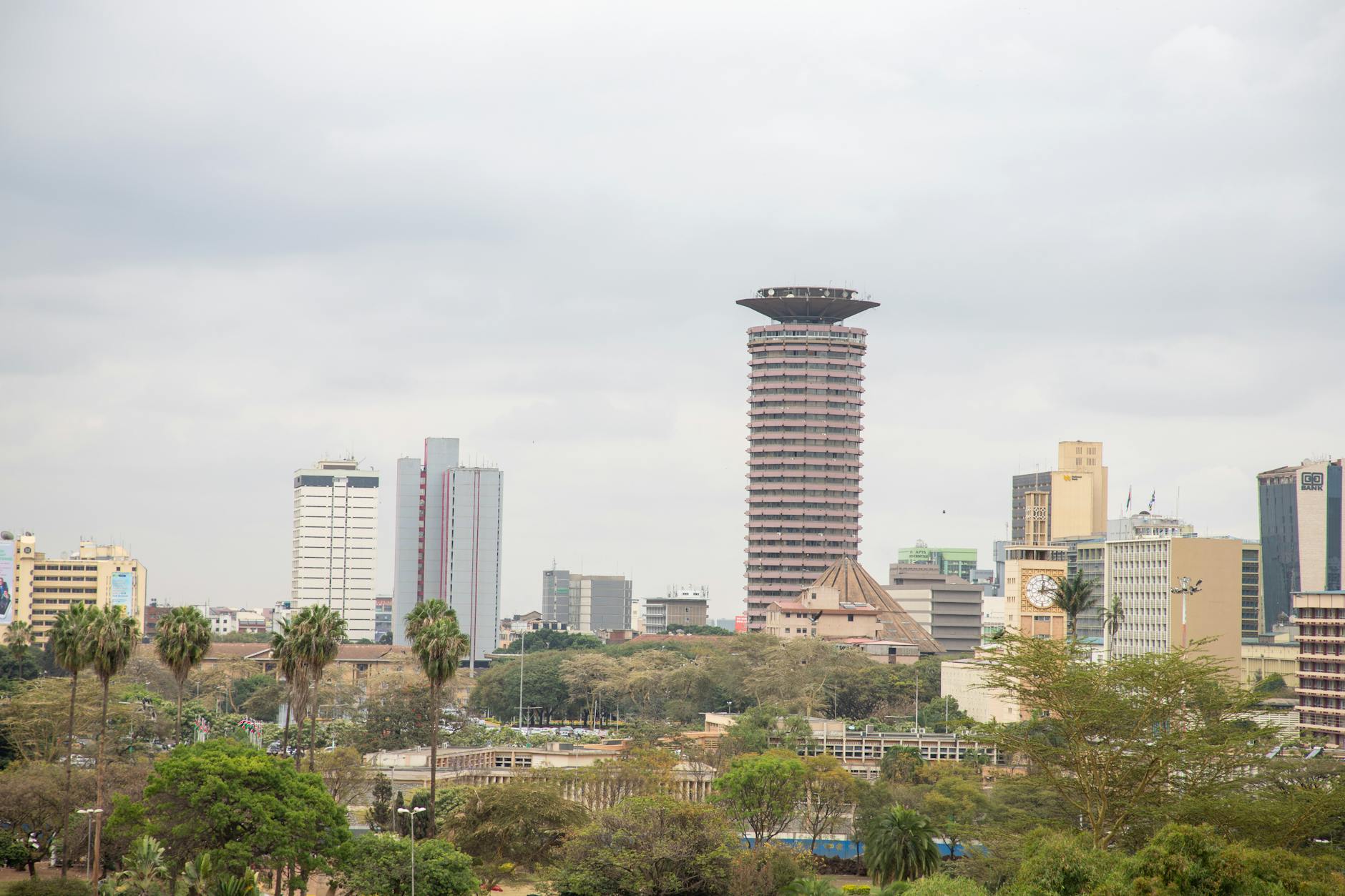
Nairobi is Africa's tech capital. iHub, the continent's first tech incubator, spawned an ecosystem that now includes over 200 startups, Google's Africa AI lab, and Microsoft's Africa Development Center. If you work in emerging market tech, fintech, or impact investing, Nairobi puts you at the center of the action.
Time zone advantage. Kenya runs on EAT (UTC+3), which overlaps with European business hours and catches the tail end of East Coast U.S. time. For remote workers serving European or Middle Eastern clients, Nairobi's timezone is better than Southeast Asia.
The lifestyle is underrated. Weekend safaris in the Masai Mara. Indian Ocean beaches in Mombasa and Diani — a 45-minute flight from Nairobi. World-class running trails (Kenya didn't produce marathon champions by accident). Coffee that rivals Colombia and Ethiopia. And a vibrant, youthful energy that makes Nairobi feel like a city on the rise.
Cost of living is moderate. A one-bedroom in Nairobi's Westlands or Kilimani neighborhoods runs $500–$800/month. A meal at a good restaurant: $8–$15. Monthly living costs for a comfortable lifestyle: $1,500–$2,500. Not Chiang Mai cheap, but reasonable for a capital city.
The three nomad bases in Kenya
Nairobi — The hub
Population 5 million. Fast internet (30–100 Mbps fiber widely available). Dozens of coworking spaces including iHub, Nairobi Garage, and The Alchemist. Cool highland climate (16–26°C year-round) — no air conditioning needed. International airport with direct flights to London, Amsterdam, Dubai, Mumbai.
Best for: Tech workers, startup founders, anyone who needs a proper city with global connectivity.
Mombasa — The coast
Kenya's second city and Indian Ocean gateway. Mombasa combines Swahili culture, coral beaches, and old town charm. Slower pace, lower costs ($1,000–$1,800/month), but internet infrastructure is improving. The Old Town is a UNESCO tentative site with centuries of Arab, Portuguese, and British colonial layers.
Best for: Beach-loving remote workers who want culture alongside coast.
Kilifi — The emerging hotspot
An hour north of Mombasa, Kilifi is Kenya's answer to Canggu or Tulum — a beach town with a growing creative community, boutique coworking spaces, and a more affordable cost of living ($800–$1,400/month). It's raw, developing, and full of potential.
Best for: Adventurous nomads who want to be early to the next big thing.
The fine print and potential issues
Healthcare: Kenya has good private hospitals in Nairobi (Aga Khan, Nairobi Hospital) but the public system is basic. Private health insurance ($100–$200/month) is essential.
Security: Nairobi has real security concerns — petty theft, carjacking in certain areas, and occasional terrorism threats. Most expats live in gated compounds or secure apartments and use Uber/Bolt rather than walking at night. It's manageable but requires awareness.
Infrastructure: Power outages happen, though Nairobi has improved dramatically. Many apartments have backup generators. Internet is fiber-based and generally reliable in urban areas.
Banking: Kenya's M-Pesa mobile money system is world-leading. You can pay for almost everything via phone. International bank transfers through Wise work smoothly.
Key Takeaways
- $55,000 income requirement — highest digital nomad threshold in Africa, higher than Portugal's D8
- $2,000 annual fee — on the expensive side globally, but includes dependents at $500 each
- No local income tax on foreign-sourced earnings (under current interpretation)
- Nairobi is the real draw — Africa's tech hub with Google, Microsoft presence and 200+ startups
- Lifestyle upside is genuine — weekend safaris, Indian Ocean beaches, world-class coffee and running
- Not for budget nomads — this visa targets $80K+ earners who want an Africa base
The verdict
Kenya's Class N permit isn't trying to compete with Thailand or Colombia on price. It's making a different bet: that high-earning remote workers want meaningful destinations, not just cheap ones. That some people would rather watch elephants on weekends than sit in another Lisbon café.
For the right person — someone earning well above the threshold, interested in African tech and culture, and ready for a destination that challenges and rewards in equal measure — Kenya's digital nomad visa is genuinely exciting.
For everyone else, Portugal and Thailand remain easier, cheaper, and more proven paths to life abroad.
Last updated: March 18, 2026
Sources: Kenya Immigration Department Class N Permit Guidelines (February 2026), Kenya Gazette Vol. CXXVIII No. 34, iHub Nairobi Tech Ecosystem Report 2025.
Which country is right for you?
Answer 6 quick questions about your budget, lifestyle, and priorities. Our AI ranks 122 countries and builds a personalised relocation plan.
Enjoyed this article?
Subscribe for more expat tips and guides.
Free: The Ultimate Expat Checklist
Everything you need to prepare before moving abroad — visa, finances, healthcare, housing, and more.