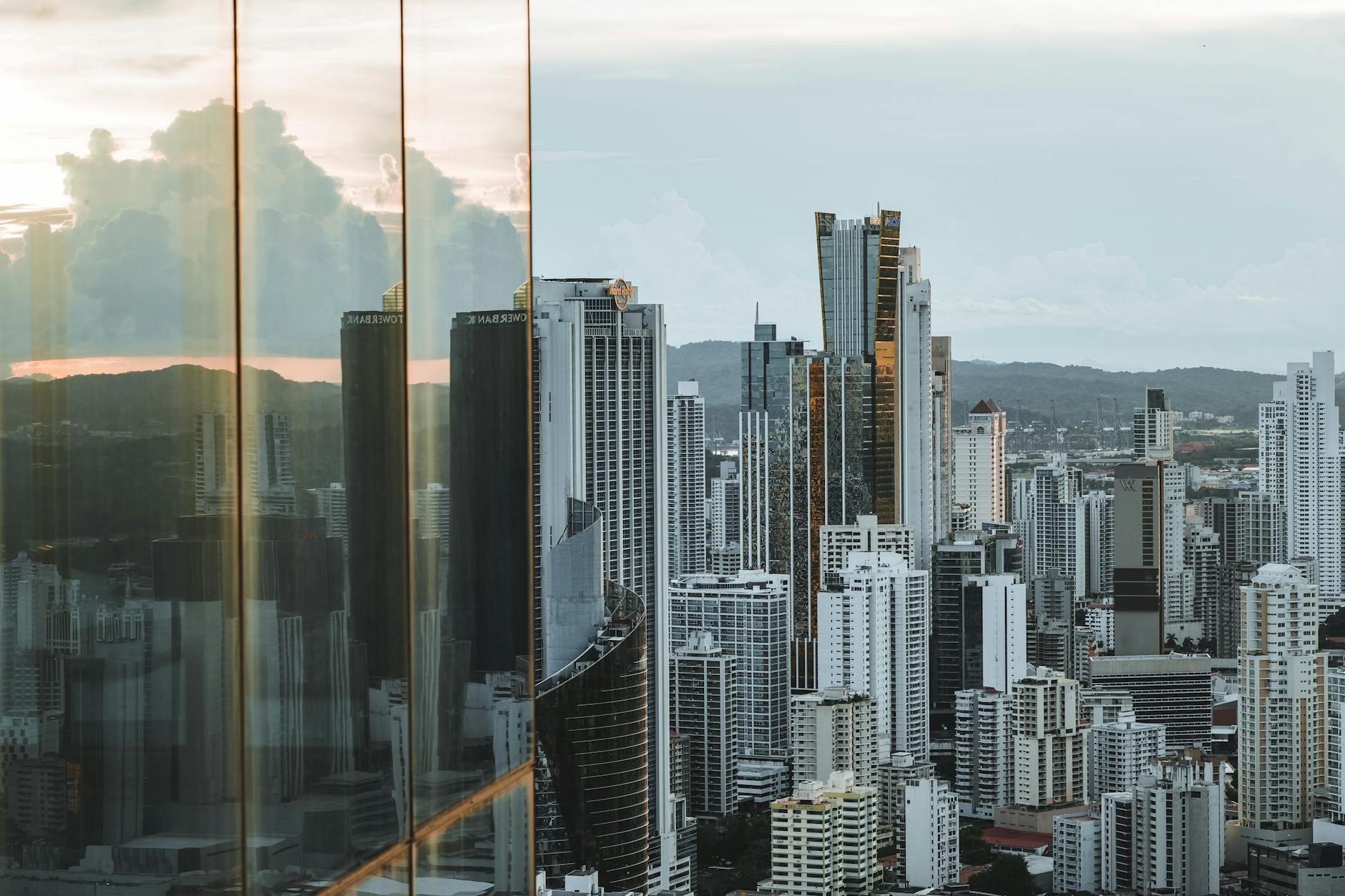
When people find out I live in Panama, the first question is always about safety. The second is about healthcare. And for some reason, the answers to both surprise them.
Panama City has a hospital affiliated with Johns Hopkins. Doctor's visits cost $12. A blood test is $15. And yet — there are things about healthcare here that no expat blog ever mentions.
Let me give you the unfiltered version.
The Good: It's Absurdly Affordable
These are real prices I've paid:
| Service | Cost in Panama | Cost in US |
|---|---|---|
| Doctor's visit (GP) | $12 | $100–300 |
| Specialist visit | $30 | $250–500 |
| Blood panel | $15 | $100–400 |
| X-ray | $18 | $200–500 |
| MRI | $200–400 | $1,000–3,000 |
| Dental cleaning | $35–50 | $100–300 |
You read that right. Treatment in Panama typically costs about 10% of what you'd pay in the US. And the quality at the top private hospitals is genuinely excellent.
Hospital Punta Pacifica is affiliated with Johns Hopkins International. Hospital Nacional and San Fernando are modern, well-equipped, and run by doctors who often trained in the US or Europe. The nurses are attentive. The facilities are clean. Wait times are short.
The Part Nobody Talks About: Public vs Private Is Night and Day
Here's where the honesty kicks in. Panama has two healthcare systems, and they might as well be in different countries.
Private system: Everything I described above. Modern, efficient, affordable. This is where expats go.
Public system (CSS): $2 doctor visits, essentially free care. But the reality is long waits, understaffed facilities, and sometimes a lack of basic supplies. I've heard stories of patients bringing their own bedsheets.
If you're coming to Panama, plan on using the private system. The costs are still a fraction of the US, but don't expect to walk into a public hospital and get the same experience.
What Does Health Insurance Actually Cost?
This is where it gets real. Options range widely:
| Coverage Level | Monthly Cost | Who It's For |
|---|---|---|
| MiniMed Expat Membership | $22/month | Basic coverage, younger expats |
| Hospital plan (Santa Fe, ages 60-69) | $144/month | Retirees, hospital-only |
| Hospital plan (Santa Fe, 70-89) | $180/month | Older retirees |
| Comprehensive private (under 65) | $250–350/month | Full coverage |
| Comprehensive private (65+) | $350–500/month | Full coverage, older adults |
Realistic annual healthcare budget for a retiree:
- Insurance premiums: $3,000–4,800
- Copays and routine visits: $600–1,200
- Medications: $600–800
- Dental: $200–400
- Total: $5,400–7,200/year
Compare that to the average American retiree spending $7,000+ per year just on Medicare premiums and supplemental insurance, before any actual treatment.
The Pensionado Discount: Panama Loves Retirees
Panama's Pensionado (retiree) visa comes with legally mandated discounts:
- 20-25% off healthcare (doctor visits, prescriptions, medical procedures)
- 25% off restaurants
- 25% off airline tickets
- 50% off entertainment
- 20% off professional services
These aren't theoretical. Doctors, pharmacies, and hospitals actually honor them. You just need to show your Pensionado card.
The visa itself requires just $1,000/month in pension or annuity income. That's it. No massive investment required.
The Hidden Catches
Now for the stuff you won't find in the Panama tourism brochures:
1. Insurance gets expensive after 65. Many local insurers cap coverage at age 65 or 70, or premiums jump dramatically. Pre-existing conditions may not be covered. Shop for insurance before you move, not after.
2. Medications can be hit or miss. Common prescriptions are cheap ($5-20), but specialized medications sometimes need to be imported and can take weeks to arrive.
3. English isn't universal. At the top private hospitals in Panama City, most doctors speak English. Outside the city? Much less so. Learning basic Spanish medical vocabulary isn't optional.
4. The specialist you want might be in Panama City. If you live in Bocas del Toro or Boquete (popular expat areas), complex medical care means traveling to the capital. Plan accordingly.
5. Emergency care is good; follow-up can be slow. The ER response at private hospitals is fast and competent. But scheduling follow-ups and navigating the referral process takes patience.
Living on $1,000/Month: Is It Actually Possible?
With the Pensionado visa's $1,000/month requirement, many people ask if you can actually live on that amount. Honestly? It's tight but doable outside Panama City:
| Expense | Panama City | Interior (Boquete, David) |
|---|---|---|
| Rent (1-bed) | $600–1,000 | $350–600 |
| Groceries | $250–350 | $200–300 |
| Healthcare/insurance | $200–400 | $150–300 |
| Transport | $50–100 | $30–60 |
| Utilities + internet | $100–150 | $80–120 |
| Total | $1,200–2,000 | $810–1,380 |
In Panama City? $1,000 is too tight. In Boquete or David? Doable — but modest.
For more on Panama's living costs, see our Panama cost of living guide.
Key Takeaways
- Private healthcare costs roughly 10% of US prices with excellent quality
- Hospital Punta Pacifica is Johns Hopkins-affiliated — genuinely world-class
- Health insurance: $22–500/month depending on age and coverage
- Annual healthcare budget: $5,400–7,200 (vs $7,000+ for Medicare alone)
- Pensionado visa offers 20-25% healthcare discounts with just $1,000/month income
- Avoid the public system — plan for private care from the start
- Outside Panama City, insurance options and specialists are more limited
Explore our Panama expat guide or compare Panama vs Costa Rica for your retirement planning.
Sources:
- Healthcare in Panama 2026 (Live and Invest Overseas)
- Panama Healthcare: Pros, Cons and Access (International Insurance)
- Money Needed to Retire in Panama 2026 (TheLatinvestor)
- Health Insurance in Panama for Beginners (Kraemer & Kraemer)
Last updated: March 14, 2026
Which country is right for you?
Answer 6 quick questions about your budget, lifestyle, and priorities. Our AI ranks 122 countries and builds a personalised relocation plan.
Enjoyed this article?
Subscribe for more expat tips and guides.
Free: The Ultimate Expat Checklist
Everything you need to prepare before moving abroad — visa, finances, healthcare, housing, and more.